
The Right Step: Choosing Shoes for Early Walkers and Kids in Summer and Winter

Walking is one of the most significant milestones in a child’s life. The shoes they don early on can have lasting impacts on their posture, gait, and musculoskeletal health. As seasons evolve, so should the considerations parents make for their child’s footwear. From a physical therapy perspective, here’s a guide on choosing the right shoes for young children across seasons. For the Early Walkers: 1. Flexibility: Shoes should bend and twist in your hands. This malleability promotes the natural movement of a child’s foot. 2. Flat Soles: Heels or wedges can interfere with a child’s balance. A flat sole aids in stable weight distribution. 3. Breathability: In summer, shoes made of breathable material help prevent overheating and moisture buildup. 4. Snug but Not Tight: A shoe should fit well without constricting the foot. Room to wiggle toes is vital! 5. Wide Toe Box: This feature is crucial. A wider toe box allows toes to spread naturally, aiding balance and reducing the risk of developmental issues or deformities. 6. Ankle Support: Especially crucial for early walkers, shoes with proper ankle support provide stability, helping to prevent wobbles and potential injuries. Summer Selections: 1. Open vs. Closed: Sandals with a back strap are a secure choice. Closed shoes, if preferred, should be made of light, breathable material. 2. Grip is Essential: Non-slip soles are crucial, particularly near pools or damp areas. 3. Avoid Flip Flops: They offer minimal support or protection for young, active feet. Winter Wonders: 1. Insulation: Shoes should be breathable but also offer insulation against the cold. 2. High-Ankled Boots: These boots offer enhanced stability on slippery surfaces and protect against cold. The high ankle also provides added support. 3. Non-Skid Soles: With ice and snow in winter, a shoe with good grip is a must. 4. Room for Socks: Winter shoes should have some extra space for thicker socks without compressing the foot. In conclusion, the aesthetics of a shoe, while appealing, should always come secondary to its functional attributes. The right shoe not only shields the feet but also supports the holistic physical development of your child. When unsure, your pediatric physical therapist is a valuable resource to tap into.
Gross Motor Milestones: A Guide for Parents from a Pediatric Physical Therapist
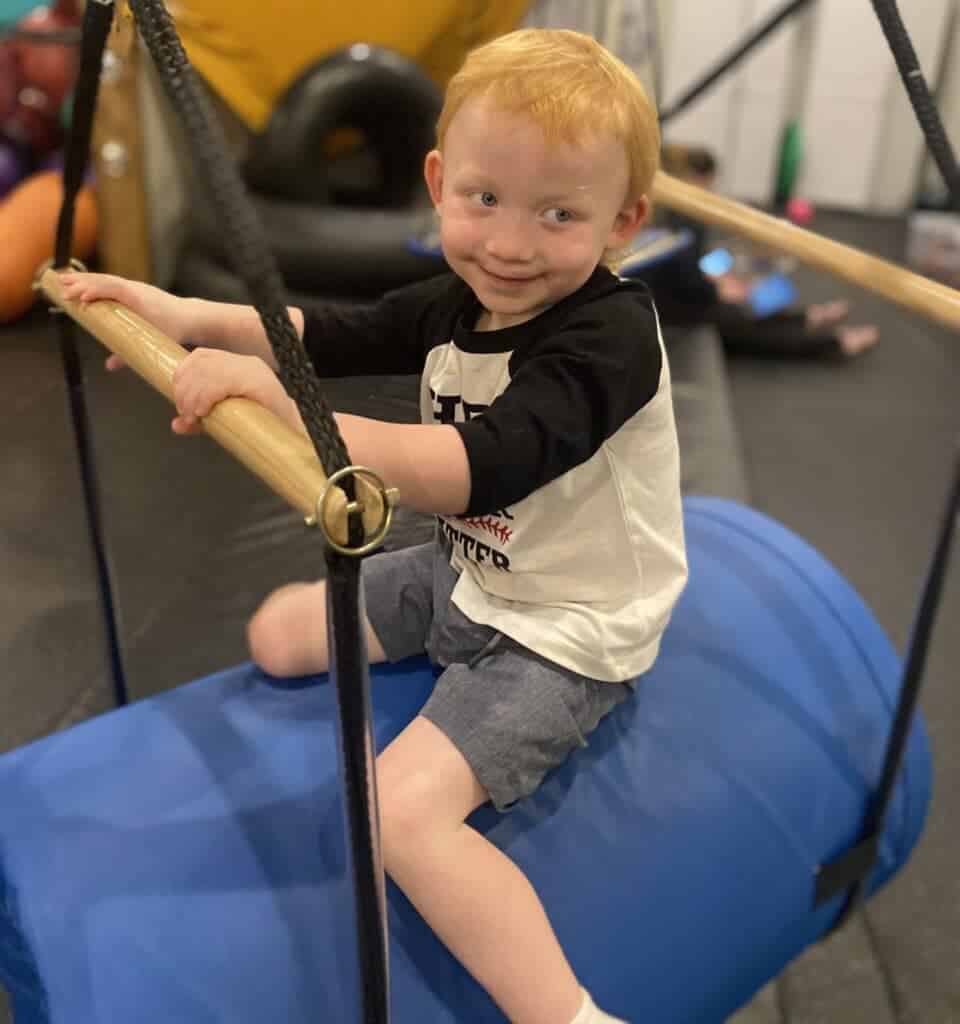
As a pediatric physical therapist, one of the most common queries I encounter is, “Is my child on track with their physical development?” Understanding gross motor milestones and knowing when it might be time to seek professional guidance is vital for every parent. Here’s a concise guide to help you navigate this essential aspect of your child’s growth. What are Gross Motor Milestones? Gross motor milestones are the significant stages of physical development in a child’s life, starting from infancy to their early school years. They encompass skills involving large muscle movements of the body—think crawling, walking, jumping, and running. Key Gross Motor Milestones: 1. Birth to 3 months: – Baby begins to lift the head during tummy time. – Gradual improvement in head control. 2. 4 to 6 months: – Rolling over (from tummy to back and vice versa). – Sitting with support and starting to sit independently. 3. 7 to 9 months: – Starts to crawl. – Pulls to stand with support. 4. 10 to 12 months: – Begins to stand without support. – May take first independent steps. 5. 1 to 2 years: – Walks independently and starts to run. – Begins to climb stairs with support. 6. 2 to 3 years: – Runs confidently and starts to jump. – Climbs stairs one at a time without holding on. 7. 3 to 5 years: – Begins hopping, swinging, and maybe even skipping. – Rides a tricycle and stands on one foot for a short time. When to Seek a Referral: While every child develops at their own unique pace, there are general timeframes in which most children acquire these skills. It’s essential to remember that occasional delays are typical. However, if you observe the following, it may be time to seek a referral: 1. Consistent Delays: If your child is regularly missing milestones or is significantly behind their peers. 2. Loss of Skills: Any regression, like a child who once walked but now doesn’t, warrants a check. 3. Lack of Coordination: If your child appears unusually clumsy for their age or struggles more than their peers with similar activities. 4. Uneven Muscle Use: For instance, if your child uses one side of their body more than the other. 5. Difficulty in Keeping Up: If they struggle to engage in age-appropriate activities or play due to physical constraints. Your child’s health and well-being are paramount. Being proactive and seeking guidance when unsure can make all the difference. Trust your instincts as a parent, but also remember to seek expert advice when needed. Pediatric physical therapists are here to assist, guide, and provide the necessary interventions to ensure your child’s optimal physical development.
Active Family Fun: Boosting Gross Motor Skills the Enjoyable Way!

Engaging in family activities isn’t just about spending quality time together; it’s also a fantastic way to boost your child’s gross motor skills. These skills, involving large muscle movements, play a pivotal role in a child’s physical development. Here are some entertaining and simple ideas to get your family moving while having a blast! 1. Chalk Obstacle Course: Transform your driveway or sidewalk into an adventure-filled obstacle course using just chalk! – Draw zigzag lines, spirals, and circles for children to walk, run, or hop through. – Sketch out numbered lily pads or islands that they can leap between. – Outline large shapes for kids to fill with different movements, like spinning or star jumps. 2. “The Floor is Lava”: A classic game that never gets old and perfect for a rainy day indoors. – Scatter couch cushions, pillows, and blankets across the floor. These are your “safe” zones. – The objective is to move from one side of the room to the other without touching the floor. – It’s a great way for kids to utilize different muscles as they balance, jump, and plan their path. 3. Nature Walks with a Twist: A family walk is always refreshing, but adding a few fun challenges can make it even more exciting. – Organize a scavenger hunt where children need to find specific items, like pinecones or colorful leaves. – Challenge kids to mirror animals they see or talk about, like hopping like a frog or waddling like a duck. 4. Dance Party: Crank up the music and let loose! Dancing is not only fun but also an excellent way for kids (and adults) to develop coordination and rhythm. – Choose different music genres and move to the beat. – Freeze dance: When the music stops, everyone freezes until it starts again. 5. DIY Bowling: Use empty water bottles and a soft ball to create a bowling alley in your hallway. – Set up the bottles in a traditional triangle or in any fun pattern. – Take turns rolling the ball and trying to knock them down. 6. Build-a-Fort: While building a fort may seem like a quiet activity, the physical process involves lifting, pulling, and arranging, all of which are great for gross motor development. – Use chairs, tables, and blankets. – Once it’s built, kids can crawl in and out or incorporate it into their imaginative play. Active play is essential for a child’s physical and cognitive development. Plus, it’s a great way for families to bond. The key is to keep activities engaging and enjoyable, ensuring that children are eager to participate. Remember, it’s not about structured exercise but about moving, laughing, and learning together. So, gather your family, pick an activity, and let the fun begin!
The Benefits of Early Intervention in Pediatric Therapy
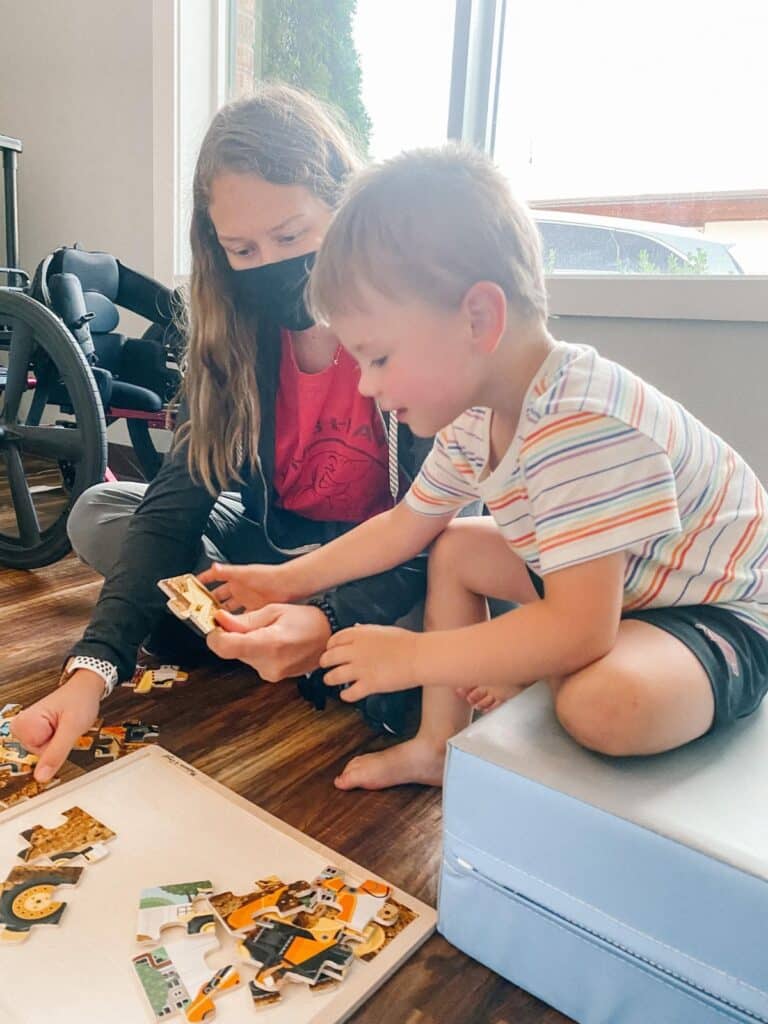
Early intervention in pediatric occupational, physical and speech therapy services is a proactive and essential approach to supporting children’s development and addressing potential challenges at an early age. There are numerous benefits of early intervention in pediatric therapy, which can have a very positive impact on a child’s overall growth and future success. Timely Identification of Developmental Delays and Challenges: Early intervention allows for the timely identification of developmental delays and challenges in children. By identifying these challenges early on, therapists and parents can work together to create targeted intervention plans tailored to the child’s specific needs. Optimal Brain Plasticity and Learning: During early childhood, the brain is incredibly malleable, exhibiting a high degree of neuroplasticity. This simply means the brain is pliable, and has the ability to change. Intervening during this crucial period maximizes the brain’s ability to adapt and learn, leading to more positive outcomes in various developmental areas. Improved Long-Term Outcomes: Research consistently shows that children who receive early intervention in pediatric therapy achieve better long-term outcomes compared to those who do not. Early support in OT, PT and Speech Therapy can lead to improved academic performance, social skills, and overall independence in daily living. Family Involvement and Empowerment: Early intervention is not just about the child; it involves the entire family. Therapists work closely with parents and caregivers, empowering them with knowledge, strategies, and resources to support their child’s development effectively. It is important that we are always collaborating with each individual and their family to best serve the client’s needs and provide the right support to their families. By providing support and resources, therapy helps reduce stress and anxiety for parents and caregivers, promoting a more supportive and nurturing environment for the child. Enhancing Social and Communication Skills: Early intervention can significantly impact a child’s social and communication skills. Therapists use various evidence-based approaches to foster language development, social interactions, and emotional regulation in young children. Some of these examples include AAC devices, PEC systems, and play opportunities with others including imitative, parallel and reciprocal play activities. Addressing Sensory Processing Issues: Sensory processing challenges can significantly impact a child’s daily life. Early intervention helps identify and address these issues, enabling the child to better process sensory information and be able to attend, focus and engage in various activities with confidence across all of their environments. Building Self-Confidence and Resilience: Children who receive early intervention support often develop higher levels of self-confidence and resilience. As they see their progress, they gain a sense of accomplishment and belief in their abilities, which positively impacts their overall self-esteem. Early intervention in pediatric therapy is a powerful tool that can positively influence a child’s development and future. By identifying challenges early, involving families, and providing targeted support, we can help set children on a path to success and help them reach their full potential. Our occupational, physical and speech therapists play a crucial role in shaping the lives of young children, enabling them to reach and achieve their individual goals, and supporting the families on their journey to continued growth and success.
Physical Therapy vs Occupational Therapy for Children: Understanding the Differences
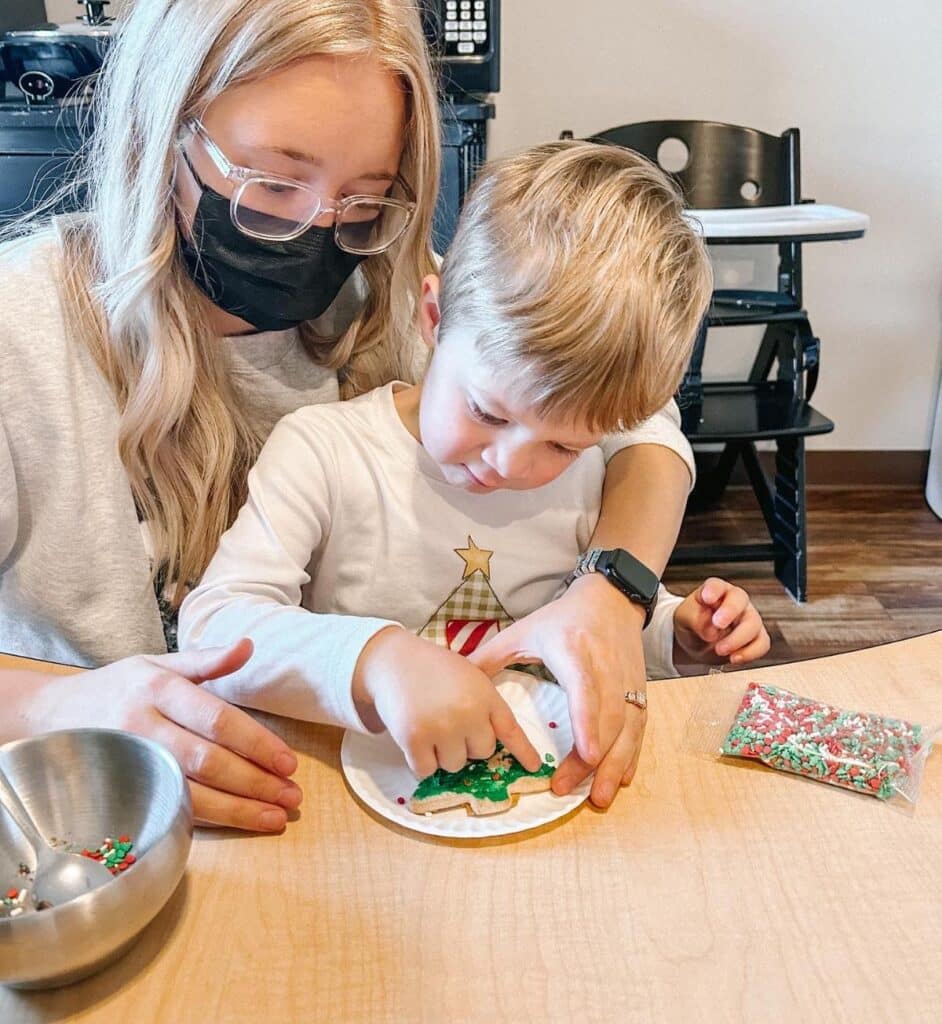
As a parent or caregiver, you may have heard of both physical therapy and occupational therapy, especially if your child is dealing with a health issue or developmental concern. While both forms of therapy are geared towards improving a child’s quality of life, their approach and focus areas can be quite different. Understanding these differences can help ensure your child gets the most appropriate care for their needs. Physical Therapy (PT) for Children Pediatric physical therapy primarily aims at improving a child’s physical abilities. It focuses on enhancing a child’s gross motor skills, strength, balance, and coordination, especially those necessary for mobility. For instance, a physical therapist might help a child with cerebral palsy learn to walk with assistive devices, or aid a child recovering from a sports injury to regain strength and flexibility. Pediatric physical therapists also play a significant role in early intervention, helping to mitigate developmental delays in infants and toddlers. Occupational Therapy (OT) for Children On the other hand, pediatric occupational therapy focuses on helping children achieve independence in all areas of their lives. It’s centered around improving fine motor skills, cognitive abilities, visual-perceptual skills, and sensory processing abilities that children need for daily activities or “occupations.” In this context, “occupations” refer to the everyday activities that occupy a child’s time, such as dressing, eating, playing, and school-related tasks. For example, an occupational therapist might help a child to improve their handwriting skills or guide a child with sensory processing disorder in managing overstimulation. There is often an overlap between PT and OT, and in many instances, a child may benefit from both services. For instance, a child with a physical disability may work with a physical therapist to improve overall body strength and mobility, while also seeing an occupational therapist to work on specific skills such as dressing or using utensils. Physical therapy and occupational therapy, though different in their focus, are both crucial to promoting healthy development and quality of life in children who need them. A comprehensive understanding of both therapies can help parents advocate for their children and ensure they receive the most appropriate and effective care. Remember, every child is unique, and what works best will depend on their individual needs and circumstances. A discussion with your child’s healthcare provider can provide further guidance on which therapy, or combination of therapies, would be most beneficial for your child.
Grasping Development…What Should My Child’s Grasp Look Like?
Your child was recently evaluated for occupational therapy. When reading over the report you noticed delays in overall grasping skills. You may be wondering, what does this mean? And what grasp are we looking for? We will first discuss the progress of grasp on objects such as blocks and small items like a Cheerio or a bead. And then move towards the progress of a child’s grasp on a writing utensil. The most primitive grasp you will see is the palmar grasp reflex. Palmar Grasp Reflex – A palmar grasp reflex is when a baby immediately wraps all fingers around your finger, or an object placed in his/her palm. This reflex will integrate (go away) around 4 months of age. At this time, your child should begin to demonstrate a voluntary grasp to pick up different sized objects. (Usually Emerges in Early Infancy) The following progression is noted by Jane Case-Smith an occupational therapist and a leading educator in pediatric occupational therapy as well as The Erhardt Developmental Prehension Assessment. Ulnar-Palmar Grasp (Crude Palmar Grasp) – The index finger and Thumb are not used in this pattern. (Usually Emerges Around 4-6 Months of Age.) Palmar Grasp – Using the central portion of the palm to pick up objects from a flat surface. This grasp does not involve use of the thumb. (Usually Emerges Around 4-6 Months of Age.) Radial Palmar Grasp – your child should begin to use his/her thumb while picking up objects from a surface. When first adding the help of the thumb to grasp objects, there will be no open space between the object your child is grasping and his/her palm or “web space”. (Usually Emerges between 6-7 months of age.) Raking grasp – This is when your baby will attempt to pick up objects on her own using a “raking” method. You’ll see her reach out and move her arm in a raking motion to try to pull it closer and grab. She’ll usually spread out her fingers and contract them to close around the object, strengthening her muscles with each movement. (Usually Emerges Around 7 Months of Age.) Radial Digital Grasp/Three Jaw Chuck – This is the first grasp where more precise finger movements are required and utilized. Your child will begin to pick up objects with fingertips, rather than the whole hand, which leads into the very important, pincer grasp (see below). (Usually Emerges Around 8-9 Months of Age.) Inferior pincer grasp – Child will begin to pick up small objects with thumb and index finger only. Initially, your child will only be able to use this grasp with his/her arm supported on the table/surface and will use the side of their index finger and a straight thumb to pick up objects. (Usually Emerges Around 9 Months of Age) Mature/Dynamic Pincer Grasp – When the mature pincer grasp is developed, you will notice your child picking up small objects with the tips of thumb and index finger, while holding the forearm off of the surface. (Usually Emerges Around 12 Months of Age) Writing Utensil Grasping Patterns (Info Based off of Jane Case-Smith) Palmar Supinated/Gross Fisted Grasp — The toddler will use their whole hand as one unit, wrapping all of their fingers around the writing utensil with their thumb positioned at the top of the crayon and their pinkie towards the paper. They are still working on “proximal stability” and so they move the writing utensil with large arm movement originating from the shoulder. (Usually Emerges Around 1-2 Years of Age) Radial/Digital Pronated Grasp – As they begin to have more finger isolation, they will begin using the thumb functionally for prehension grasping. In this grasp pattern, the arm is turned slightly inward (pronated) and the crayon is positioned under the palm. The tip of the writing utensil is held by a straight index finger and adducted thumb. Again, most movement is from the arm. (Usually Emerges Around 2-3 Years of Age) Static Tripod Grasp – With this grasp you will begin to see the child is beginning to have more control of the writing utensil. They appear to have better separation of the two parts of the hand, and they use the thumb side for movement and the pinkie side for strength. It is this time, you will begin to see an opening of the thumb webspace, and the use of the thumb, index and middle finger to control the writing utensil. The child should be able to stabilize at the shoulder, rest the forearm on the table, and movement should be coming from the wrist, or fingers. (Usually Emerges Around 3 ½ Years of Age.) Dynamic Tripod Grasp – A mature prehension grasp pattern which will allow your child to make smooth, colored strokes for coloring, tracing, drawing and printing. You will notice a nice, round open webspace. The index finger PIP and DIP joints and the thumb’s IP joint will be slightly bent. The writing utensil rests on the side of the DIP joint on the middle finger and most of the movement comes from the fingers. (Usually Emerges Around 5 Years of Age) Insufficient Grasping Patterns (Info from AnOTMom) The Thumb Wrap – The thumb wrap is one of the most common inefficient grasp patterns. One of the main reasons it’s problematic is because the fingers are in a position where they actually block part of the visual field. It is very difficult to see where and what you are writing with this grasp. Also, the index and middle fingers are stabilizing the writing utensil instead of moving it. As a result, movement comes from the wrist or arm, which leads to large strokes that lack control and precision. The Thumb Tuck – The thumb tuck is a variation of the thumb wrap, where instead of wrapping the thumb around the fingers/writing utensil, it is tucked in the fingers. Once again, the fingers and the thumb are stabilizing the writing utensil rather than moving it. Movement is distal, decreased control and precision. The Interdigital
Activity Level vs. Arousal Level? What does it All Mean?

If you have been around No Limits Pediatric Therapies long, you have probably heard the terms AROUSAL level and ACTIVITY level; but what do these terms really mean? Let’s go to one of No Limit’s OT teams favorite sensory gurus named Dr. Julia Harper for some more information. Dr. Julie Harper, PhD, MS, OTR/L is a wife, mother, occupational therapist, business owner, psychologist, life coach & mentor, speaker and writer. She holds a BS in Occupational Therapy from SUNY Health Science Center (Downstate), Brooklyn, NY, a MS in Occupational Therapy from Boston University, Boston, MA and a PhD in Psychology from Capella University, Minneapolis, MN. She brings all of these roles together to serve her mission of helping people-all people to live their lives beyond limitations. For over 20 years, Julia has worked as a pediatric occupational therapist focusing on creating brain-based therapeutic programs that tap into neural-plasticity, the brain’s ability to adapt and change. Her world-renowned therapy center offers a W.A.Y. to H.O.P.E.™ which merges her two models: HOPE (Harper’s Optimal Protocols for Enrichment), which focuses on re-wiring the brain of those with physiological, learning and limitations in attention and W.A.Y.™ (What About You), which retrains the brain to move beyond emotional and thought limitations. Creating change is at the center of her work, as she knows that to best serve the world, she needs to be an agent of change. This begins with the work she has done to change her own life, from becoming a Certified Master Life Coach, a Master Clinician, a Certified Daring Way Facilitator and Master Practitioner of MER. She hopes that through her change, she can change her clients and have the ripple effect of changing the world. She is a firm believer that all change begins with her. Daily, she lives this change to be the change. (http://therapeeds.com/en/about-us/julia-s-story) Now you know a little background on one of our favorite resources when it comes to sensory processing, arousal level, and activity level, but what does it all mean? Activity level can be broken down into two categories: high activity and low activity. When speaking about activity level, we are referring to physical activity. The World Health Organization defines physical activity as any bodily movement produced by skeletal muscles that requires energy expenditure. Physical activity refers to all movement including during leisure time, for transport to get to and from places, or as part of a person’s work. Both moderate- and vigorous-intensity physical activity improve health (https://www.who.int/news-room/fact-sheets/detail/physical-activity). This is leading to the idea that a child or adult who demonstrates a high activity level demonstrates significant physical activity and seeking of movement. It then leads us to an idea of a child or adult who demonstrates a low activity level demonstrates minimal physical activity at any given time. Activity level is visible, fluid and changing. You can move from high to low activity level or low to high activity level at any point in the day and it usually changes multiple times during a day. It can even change hour to hour or in shorter time spans. Remember, activity level is seen and is changing; although you may have a child who typically demonstrates either a high or low activity level. Now, let’s move on to arousal level. This can easily be confused with activity level, but it is different and cannot be used interchangeably. Your arousal level tends to remain unchanging and can be considered more as your state of being. With that said, according to Julia Harper, a child or an adult can be considered high arousal or low arousal. She describes the different neuro-chemicals and brain wave patterns within the body that determine arousal level, but that will be left for another day. What we will discuss today is that depending on your child’s arousal level, the occupational therapy team can better serve your child’s sensory needs by meeting their specific sensory input needs. This is based on neuro-chemical needs and we can then help create a protocol to meet those needs based off of Julia Harper’s research. Moving forward, let’s discuss how we determine if your child is high arousal or low arousal. We can typically describe a high arousal child as a child who thrives on routine, structure, and predictability. A high arousal child is unable to start off their day with intense sensory input such as spinning and participating in inverted activities, because intense vestibular input is only going to dysregulate your child even more. This would be working against the whole goal of working with your child to build a toolbox to help improve attention, participation and overall regulation based on their individual arousal level. They tend to benefit from deep pressure touch and passive proprioceptive input which is calming and regulating. Now on the other hand, you have a low arousal child. A low arousal child is a child who tends to be unpredictable, constantly changing, and unrhythmical. You can usually see this in everything they do. A low arousal child may always be on the go because they are seeking input to help regulate, but they do not need to start the day off with calming activities. Instead, they need to start off with intense vestibular input that is constantly changing, unrhythmical and unpredictable. Starting with intense input followed by deep pressure and tactile input will help set your low arousal child up for success. Now, here is where it gets tricky! Is my child high or low arousal? Or are we just looking at if they have a high or low activity level? This is where your OT comes in. We at No Limits want to work with you as a family and complete a variety of clinical observations to help determine if your child is high or low arousal. We can then work with you to see how their activity level usually runs at different points in the day. After determining your child’s arousal level and gaining a better idea of how their activity
What is Torticollis?
You may have heard of the term “torticollis,” also known as wryneck. Torticollis is the twisting of the neck that causes the head to rotate and tilt at an angle. The twisting of the neck occurs when the large muscle running on both sides of the neck, from the back of the ear to the collarbone, is too tight and/or shortened. In newborns, torticollis can happen due to the baby’s position in the womb or from consistent positioning following birth. The following are the most common symptoms of torticollis; however, each person may experience symptoms differently. Symptoms may include: Inability to turn the head (rotation) Spasm of the neck muscles The top of their head may be tilted to one side and their chin may be tilted to the other side. Difficulties visually tracking Difficulties holding the head in an upright position Preference among breast-fed and bottle-fed babies to eat on one side over the other or problems latching onto the breast or bottle. Physical therapy helps prevent permanent shortening, head and neck pain, and helps prevent developmental delays that could occur secondarily. Early physical therapy for torticollis is very helpful and effective. The physical therapists’ focus includes passive range of motion, active range of motion, stretching, muscle strengthening, and parent education for positioning, stretching and activities that they can incorporate into their daily lives in order to increase the child’s ability to turn and move their head and continue to make gains towards their developmental milestones. If you have any questions or concerns in regards to torticollis, please reach out to your doctor or your child’s physical therapist.
Occupational Therapy and the Adolescent Years
Adolescent years bring about many changes including taking on responsibilities in the home, more demands at school, employment, driving, bodily changes, relationships, money management, increasing independence as they prepare for adulthood, and more. Occupational therapists come alongside adolescents to help support and increase their independence in these daily occupations, or everyday activities one engages in. More specifically, within the OT Practice Framework (AOTA, 2014), daily occupations consist of ADLs and IADLs. Activities of daily living (ADLs) are considered to be nine activities: bathing/showering, toileting and toilet hygiene, dressing, swallowing/eating, feeding, functional mobility, personal device care, personal hygiene and grooming, and sexual activity; whereas, instrumental activities of daily living (IADLs) encompass 12 activities that “require more complex interactions than those used in ADLs” including care of others, care of pets, child rearing, communication management, driving and community mobility, financial management, health management and maintenance, home establishment and management, meal preparation and cleanup, religious and spiritual expression, safety and emergency maintenance, and shopping (AOTA, 2014, p. S19). An occupational therapy session with this age group can include so many functional, important skills, while keeping the session fun! When working with adolescents, a treatment session might include activities such as hygiene tasks including brushing teeth, applying deodorant, nail trimming, and combing hair, dressing skills, simple household chores such as separating and completing laundry, bed making, loading and emptying a dishwasher, sweeping, or vacuuming, meal prep and cleanup, and kitchen and food safety. Other sessions might include walking to a nearby restaurant or store to complete a point of service transaction to purchase items, going for a walk outside to address environmental safety awareness, or completing simulated work tasks such as sorting, stocking, and typing for vocation/job-related skills. Moreover, when addressing ADL and IADL skills, the occupational therapist is also incorporating skills such as problem solving, organization, planning and ideation, initiation, flexibility and regulation. These skills are important and are used regularly throughout our daily activities. Regulation is also an essential skill during the adolescent years with the various changes these individuals experience. Self regulation can help work through emotional regulation, self consciousness and negative self-talk that is often difficult during these years. Ultimately, it is the occupational therapist’s goal for each child to be as successful and independent as possible in order to participate in their daily activities and fulfill their dreams and aspirations!
Winter Therapeutic Activities
It’s that time of the year where the temperatures drop and the indoor activities begin, but this also tends to pose the question – What can we do to keep the kids entertained ALL of those hours? Below are some great activities that can be completed indoors. These activities can incorporate so many skills that are beneficial to a child’s development including activities that work on language, play, fine motor skills such as coloring, cutting, drawing, and manipulation of small objects, gross motor skills to address overall strengthening, endurance, coordination and balance, and activities that help with sensory processing and self regulation, and executive functioning skills. Therapeutic Activities: Scavenger hunts around the house Stickers Potato sack races Dance parties Sensory bins Animal walk races Kosmic kids yoga videos Charades Playdoh – homemade or store-bought Build a Fort Hidden picture books or printables Science experiments Mazes – on paper, build your own to walk through Origami Jewelry making Baking Bubble mountain Painting Create sensory bottles Balance boards Paper plate skating across the carpet Scooter boards Obstacle courses: climbing over obstacles, balance beams, jumping over obstacles, army crawling Coloring and cutting activities: snowmen, mittens, snowflakes, penguins, polar bears, arctic animals, sleds Build-it crafts: popsicle sticks, q-tips, cards, graham crackers, build-it kits