
Occupational Therapy and the Adolescent Years

Adolescent years bring about many changes including taking on responsibilities in the home, more demands at school, employment, driving, bodily changes, relationships, money management, increasing independence as they prepare for adulthood, and more. Occupational therapists come alongside adolescents to help support and increase their independence in these daily occupations, or everyday activities one engages in. More specifically, within the OT Practice Framework (AOTA, 2014), daily occupations consist of ADLs and IADLs. Activities of daily living (ADLs) are considered to be nine activities: bathing/showering, toileting and toilet hygiene, dressing, swallowing/eating, feeding, functional mobility, personal device care, personal hygiene and grooming, and sexual activity; whereas, instrumental activities of daily living (IADLs) encompass 12 activities that “require more complex interactions than those used in ADLs” including care of others, care of pets, child rearing, communication management, driving and community mobility, financial management, health management and maintenance, home establishment and management, meal preparation and cleanup, religious and spiritual expression, safety and emergency maintenance, and shopping (AOTA, 2014, p. S19). An occupational therapy session with this age group can include so many functional, important skills, while keeping the session fun! When working with adolescents, a treatment session might include activities such as hygiene tasks including brushing teeth, applying deodorant, nail trimming, and combing hair, dressing skills, simple household chores such as separating and completing laundry, bed making, loading and emptying a dishwasher, sweeping, or vacuuming, meal prep and cleanup, and kitchen and food safety. Other sessions might include walking to a nearby restaurant or store to complete a point of service transaction to purchase items, going for a walk outside to address environmental safety awareness, or completing simulated work tasks such as sorting, stocking, and typing for vocation/job-related skills. Moreover, when addressing ADL and IADL skills, the occupational therapist is also incorporating skills such as problem solving, organization, planning and ideation, initiation, flexibility and regulation. These skills are important and are used regularly throughout our daily activities. Regulation is also an essential skill during the adolescent years with the various changes these individuals experience. Self regulation can help work through emotional regulation, self consciousness and negative self-talk that is often difficult during these years. Ultimately, it is the occupational therapist’s goal for each child to be as successful and independent as possible in order to participate in their daily activities and fulfill their dreams and aspirations!
The Right Step: Choosing Shoes for Early Walkers and Kids in Summer and Winter

Walking is one of the most significant milestones in a child’s life. The shoes they don early on can have lasting impacts on their posture, gait, and musculoskeletal health. As seasons evolve, so should the considerations parents make for their child’s footwear. From a physical therapy perspective, here’s a guide on choosing the right shoes for young children across seasons. For the Early Walkers: 1. Flexibility: Shoes should bend and twist in your hands. This malleability promotes the natural movement of a child’s foot. 2. Flat Soles: Heels or wedges can interfere with a child’s balance. A flat sole aids in stable weight distribution. 3. Breathability: In summer, shoes made of breathable material help prevent overheating and moisture buildup. 4. Snug but Not Tight: A shoe should fit well without constricting the foot. Room to wiggle toes is vital! 5. Wide Toe Box: This feature is crucial. A wider toe box allows toes to spread naturally, aiding balance and reducing the risk of developmental issues or deformities. 6. Ankle Support: Especially crucial for early walkers, shoes with proper ankle support provide stability, helping to prevent wobbles and potential injuries. Summer Selections: 1. Open vs. Closed: Sandals with a back strap are a secure choice. Closed shoes, if preferred, should be made of light, breathable material. 2. Grip is Essential: Non-slip soles are crucial, particularly near pools or damp areas. 3. Avoid Flip Flops: They offer minimal support or protection for young, active feet. Winter Wonders: 1. Insulation: Shoes should be breathable but also offer insulation against the cold. 2. High-Ankled Boots: These boots offer enhanced stability on slippery surfaces and protect against cold. The high ankle also provides added support. 3. Non-Skid Soles: With ice and snow in winter, a shoe with good grip is a must. 4. Room for Socks: Winter shoes should have some extra space for thicker socks without compressing the foot. In conclusion, the aesthetics of a shoe, while appealing, should always come secondary to its functional attributes. The right shoe not only shields the feet but also supports the holistic physical development of your child. When unsure, your pediatric physical therapist is a valuable resource to tap into.
The Benefits of Early Intervention in Pediatric Therapy
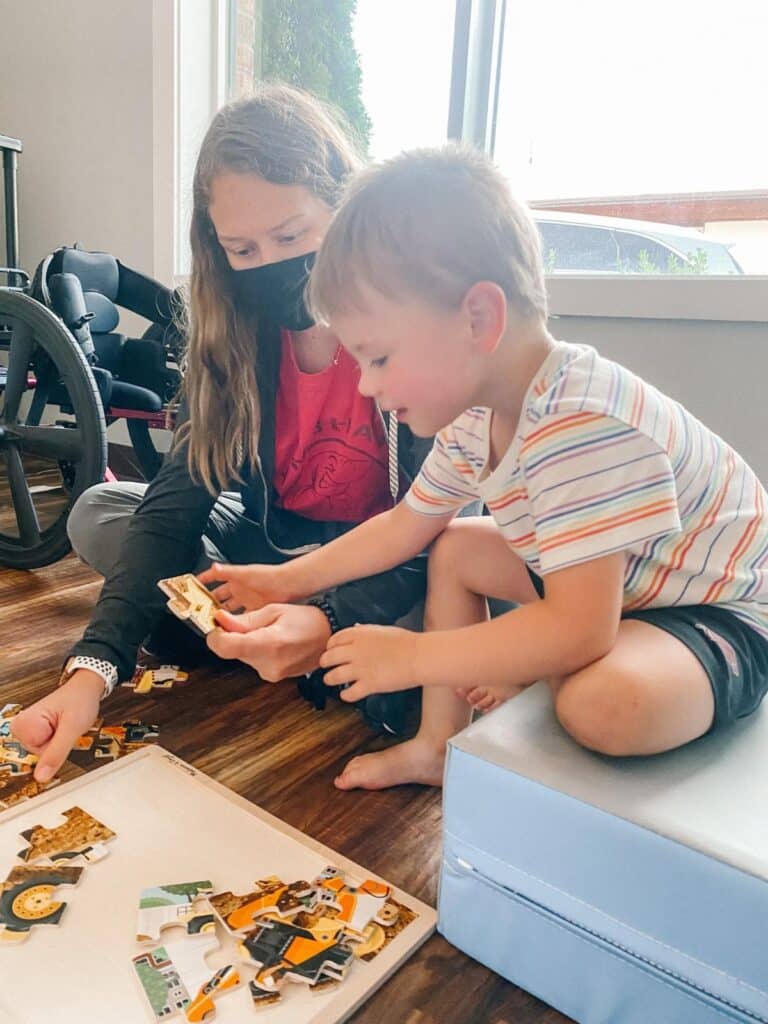
Early intervention in pediatric occupational, physical and speech therapy services is a proactive and essential approach to supporting children’s development and addressing potential challenges at an early age. There are numerous benefits of early intervention in pediatric therapy, which can have a very positive impact on a child’s overall growth and future success. Timely Identification of Developmental Delays and Challenges: Early intervention allows for the timely identification of developmental delays and challenges in children. By identifying these challenges early on, therapists and parents can work together to create targeted intervention plans tailored to the child’s specific needs. Optimal Brain Plasticity and Learning: During early childhood, the brain is incredibly malleable, exhibiting a high degree of neuroplasticity. This simply means the brain is pliable, and has the ability to change. Intervening during this crucial period maximizes the brain’s ability to adapt and learn, leading to more positive outcomes in various developmental areas. Improved Long-Term Outcomes: Research consistently shows that children who receive early intervention in pediatric therapy achieve better long-term outcomes compared to those who do not. Early support in OT, PT and Speech Therapy can lead to improved academic performance, social skills, and overall independence in daily living. Family Involvement and Empowerment: Early intervention is not just about the child; it involves the entire family. Therapists work closely with parents and caregivers, empowering them with knowledge, strategies, and resources to support their child’s development effectively. It is important that we are always collaborating with each individual and their family to best serve the client’s needs and provide the right support to their families. By providing support and resources, therapy helps reduce stress and anxiety for parents and caregivers, promoting a more supportive and nurturing environment for the child. Enhancing Social and Communication Skills: Early intervention can significantly impact a child’s social and communication skills. Therapists use various evidence-based approaches to foster language development, social interactions, and emotional regulation in young children. Some of these examples include AAC devices, PEC systems, and play opportunities with others including imitative, parallel and reciprocal play activities. Addressing Sensory Processing Issues: Sensory processing challenges can significantly impact a child’s daily life. Early intervention helps identify and address these issues, enabling the child to better process sensory information and be able to attend, focus and engage in various activities with confidence across all of their environments. Building Self-Confidence and Resilience: Children who receive early intervention support often develop higher levels of self-confidence and resilience. As they see their progress, they gain a sense of accomplishment and belief in their abilities, which positively impacts their overall self-esteem. Early intervention in pediatric therapy is a powerful tool that can positively influence a child’s development and future. By identifying challenges early, involving families, and providing targeted support, we can help set children on a path to success and help them reach their full potential. Our occupational, physical and speech therapists play a crucial role in shaping the lives of young children, enabling them to reach and achieve their individual goals, and supporting the families on their journey to continued growth and success.
Physical Therapy vs Occupational Therapy for Children: Understanding the Differences
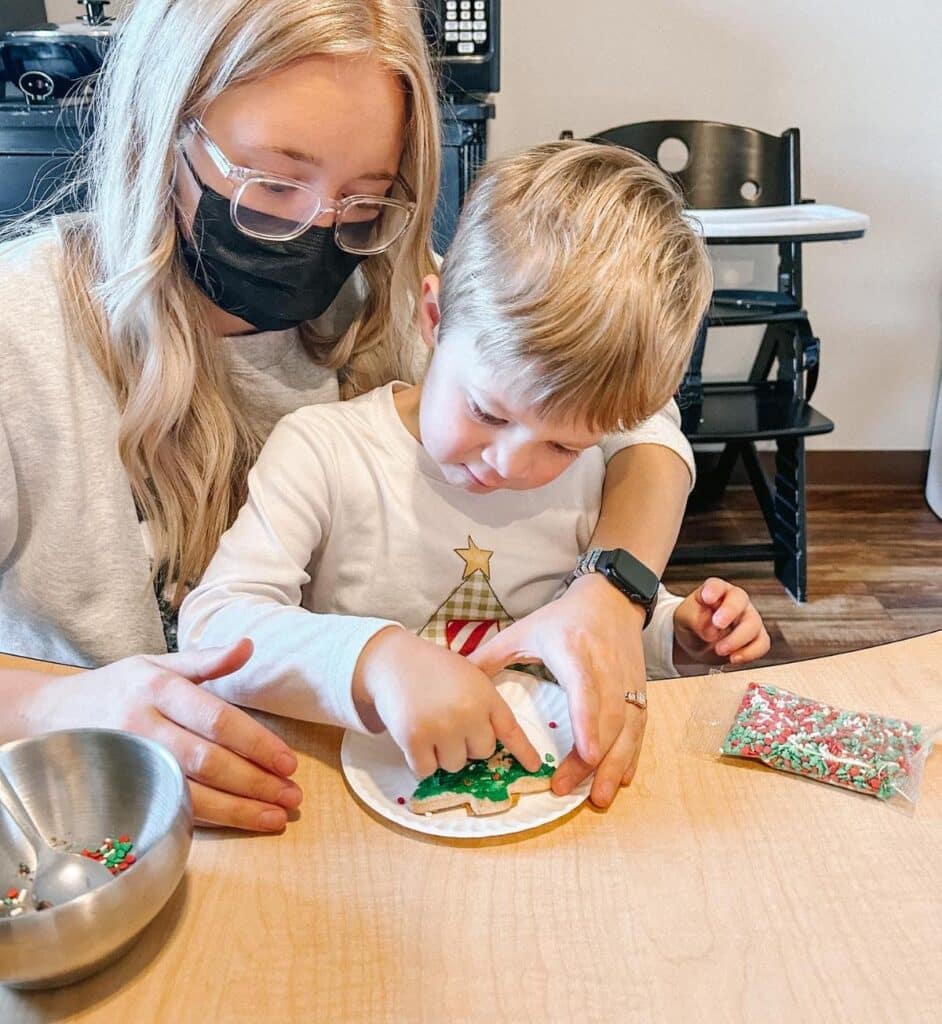
As a parent or caregiver, you may have heard of both physical therapy and occupational therapy, especially if your child is dealing with a health issue or developmental concern. While both forms of therapy are geared towards improving a child’s quality of life, their approach and focus areas can be quite different. Understanding these differences can help ensure your child gets the most appropriate care for their needs. Physical Therapy (PT) for Children Pediatric physical therapy primarily aims at improving a child’s physical abilities. It focuses on enhancing a child’s gross motor skills, strength, balance, and coordination, especially those necessary for mobility. For instance, a physical therapist might help a child with cerebral palsy learn to walk with assistive devices, or aid a child recovering from a sports injury to regain strength and flexibility. Pediatric physical therapists also play a significant role in early intervention, helping to mitigate developmental delays in infants and toddlers. Occupational Therapy (OT) for Children On the other hand, pediatric occupational therapy focuses on helping children achieve independence in all areas of their lives. It’s centered around improving fine motor skills, cognitive abilities, visual-perceptual skills, and sensory processing abilities that children need for daily activities or “occupations.” In this context, “occupations” refer to the everyday activities that occupy a child’s time, such as dressing, eating, playing, and school-related tasks. For example, an occupational therapist might help a child to improve their handwriting skills or guide a child with sensory processing disorder in managing overstimulation. There is often an overlap between PT and OT, and in many instances, a child may benefit from both services. For instance, a child with a physical disability may work with a physical therapist to improve overall body strength and mobility, while also seeing an occupational therapist to work on specific skills such as dressing or using utensils. Physical therapy and occupational therapy, though different in their focus, are both crucial to promoting healthy development and quality of life in children who need them. A comprehensive understanding of both therapies can help parents advocate for their children and ensure they receive the most appropriate and effective care. Remember, every child is unique, and what works best will depend on their individual needs and circumstances. A discussion with your child’s healthcare provider can provide further guidance on which therapy, or combination of therapies, would be most beneficial for your child.
Speech Dismissals: Was my child dismissed too soon?!
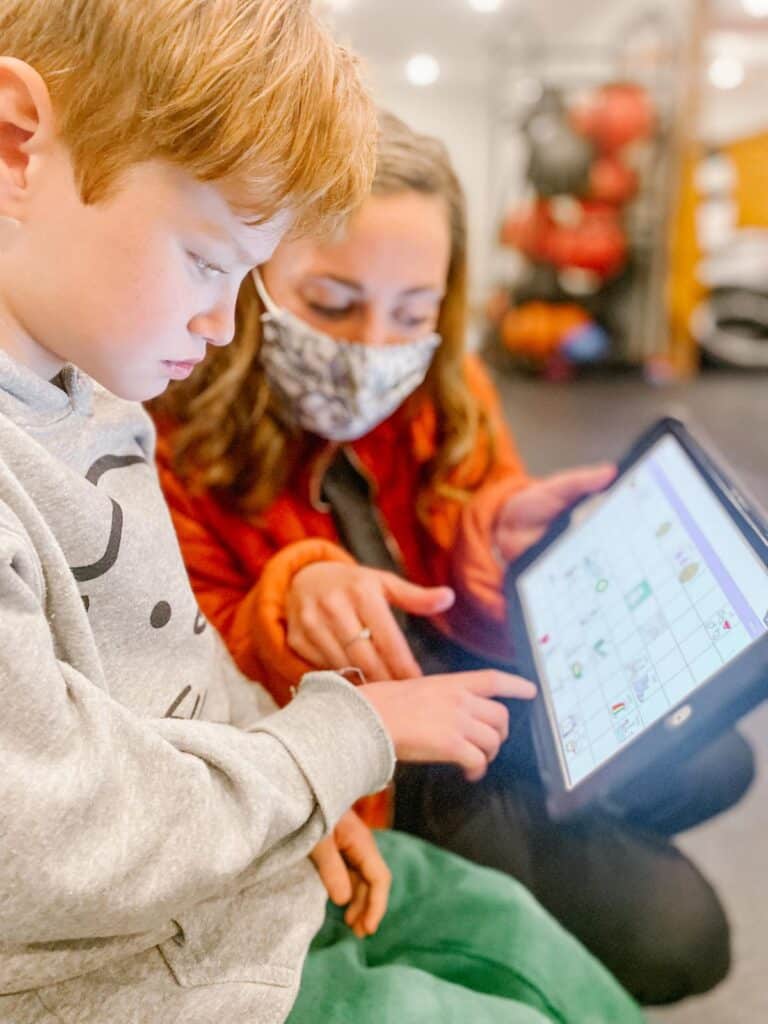
As a parent, coming to terms with the need for therapy can be hard on the heart. However, once your child starts speech therapy, your therapy team becomes a part of your family. Obviously, the ultimate goal is to reach dismissal. Your child has met their current goals and the therapist proudly hands over a certificate of graduation! What a glorious day, or is it? Sometimes, parents may feel that continued therapy would be beneficial. Understanding how your child has reached the point of dismissal is often confusing. Perhaps Johnny still doesn’t say his R sounds or misuses verbs. As a parent, these types of performance errors can cause concern. Here are a few things to consider: Therapists follow specific developmental guidelines, use nationally normed standardized assessments, paired with professional experience to determine when your child is ready to be dismissed. Your child may have many articulation errors when speaking. If the national guidelines show that the errors are acceptable for your child’s age; continued therapy would not be recommended. The majority of children will gain these skills without intervention. Your child may have a mild delay that does not warrant direct therapy but would be better served through home programming. Many parents are able to target skills during daily activities! Your child may need the opportunity to be around peers to gain the skills. For example, many young children show pragmatically unexpected behaviors. As they start school and interact in peer groups, they will learn many skills naturally. Should your child be re-evaluated after dismissal? Here are examples of scenarios where a child that may have received services in the past would benefit from a closer look at skills via a re-evaluation. A child has had ample opportunity to gain social skills via peer groups, family groups, community exposure, and parent modeling; yet continues to be inappropriate and show lack of social awareness: Pragmatic Skills Reassessment Needed A child is age 8, not showing awareness of continued articulation deficit, misarticulates all R sounds, has obvious lisping of S/Z, or misarticulated multiple sounds when speaking. Articulation Skills Reassessment Needed A school-aged child cannot tell you what he/she has read, cannot answer comprehension questions, cannot problem-solve with peers, and/or compromise. Language Skills Reassessment Needed A school-aged child commonly uses the wrong vocabulary, does not know grade-level vocabulary when reading, has trouble asking or answering questions expected of their peers, or struggles with grammar when writing. Language Skills Reassessment Needed This is not a comprehensive list of reevaluation skills need; however, if you feel that specific skills are behind peers, have not improved, or commonly get discussed in parent/teacher conferences; a reevaluation can help determine need and assist with planning for future skill acquisition. Bottom line: Outpatient Pediatric Speech Therapy covers articulation, oral motor, feeding, receptive language, expressive language, pragmatic language, reading, and all of the pathways that fall between these broad categories. If you have a concern, reach out! We would be more than happy to help you determine your child’s current skills and if necessary, help you navigate and plan for growth.
Grasping Development…What Should My Child’s Grasp Look Like?
Your child was recently evaluated for occupational therapy. When reading over the report you noticed delays in overall grasping skills. You may be wondering, what does this mean? And what grasp are we looking for? We will first discuss the progress of grasp on objects such as blocks and small items like a Cheerio or a bead. And then move towards the progress of a child’s grasp on a writing utensil. The most primitive grasp you will see is the palmar grasp reflex. Palmar Grasp Reflex – A palmar grasp reflex is when a baby immediately wraps all fingers around your finger, or an object placed in his/her palm. This reflex will integrate (go away) around 4 months of age. At this time, your child should begin to demonstrate a voluntary grasp to pick up different sized objects. (Usually Emerges in Early Infancy) The following progression is noted by Jane Case-Smith an occupational therapist and a leading educator in pediatric occupational therapy as well as The Erhardt Developmental Prehension Assessment. Ulnar-Palmar Grasp (Crude Palmar Grasp) – The index finger and Thumb are not used in this pattern. (Usually Emerges Around 4-6 Months of Age.) Palmar Grasp – Using the central portion of the palm to pick up objects from a flat surface. This grasp does not involve use of the thumb. (Usually Emerges Around 4-6 Months of Age.) Radial Palmar Grasp – your child should begin to use his/her thumb while picking up objects from a surface. When first adding the help of the thumb to grasp objects, there will be no open space between the object your child is grasping and his/her palm or “web space”. (Usually Emerges between 6-7 months of age.) Raking grasp – This is when your baby will attempt to pick up objects on her own using a “raking” method. You’ll see her reach out and move her arm in a raking motion to try to pull it closer and grab. She’ll usually spread out her fingers and contract them to close around the object, strengthening her muscles with each movement. (Usually Emerges Around 7 Months of Age.) Radial Digital Grasp/Three Jaw Chuck – This is the first grasp where more precise finger movements are required and utilized. Your child will begin to pick up objects with fingertips, rather than the whole hand, which leads into the very important, pincer grasp (see below). (Usually Emerges Around 8-9 Months of Age.) Inferior pincer grasp – Child will begin to pick up small objects with thumb and index finger only. Initially, your child will only be able to use this grasp with his/her arm supported on the table/surface and will use the side of their index finger and a straight thumb to pick up objects. (Usually Emerges Around 9 Months of Age) Mature/Dynamic Pincer Grasp – When the mature pincer grasp is developed, you will notice your child picking up small objects with the tips of thumb and index finger, while holding the forearm off of the surface. (Usually Emerges Around 12 Months of Age) Writing Utensil Grasping Patterns (Info Based off of Jane Case-Smith) Palmar Supinated/Gross Fisted Grasp — The toddler will use their whole hand as one unit, wrapping all of their fingers around the writing utensil with their thumb positioned at the top of the crayon and their pinkie towards the paper. They are still working on “proximal stability” and so they move the writing utensil with large arm movement originating from the shoulder. (Usually Emerges Around 1-2 Years of Age) Radial/Digital Pronated Grasp – As they begin to have more finger isolation, they will begin using the thumb functionally for prehension grasping. In this grasp pattern, the arm is turned slightly inward (pronated) and the crayon is positioned under the palm. The tip of the writing utensil is held by a straight index finger and adducted thumb. Again, most movement is from the arm. (Usually Emerges Around 2-3 Years of Age) Static Tripod Grasp – With this grasp you will begin to see the child is beginning to have more control of the writing utensil. They appear to have better separation of the two parts of the hand, and they use the thumb side for movement and the pinkie side for strength. It is this time, you will begin to see an opening of the thumb webspace, and the use of the thumb, index and middle finger to control the writing utensil. The child should be able to stabilize at the shoulder, rest the forearm on the table, and movement should be coming from the wrist, or fingers. (Usually Emerges Around 3 ½ Years of Age.) Dynamic Tripod Grasp – A mature prehension grasp pattern which will allow your child to make smooth, colored strokes for coloring, tracing, drawing and printing. You will notice a nice, round open webspace. The index finger PIP and DIP joints and the thumb’s IP joint will be slightly bent. The writing utensil rests on the side of the DIP joint on the middle finger and most of the movement comes from the fingers. (Usually Emerges Around 5 Years of Age) Insufficient Grasping Patterns (Info from AnOTMom) The Thumb Wrap – The thumb wrap is one of the most common inefficient grasp patterns. One of the main reasons it’s problematic is because the fingers are in a position where they actually block part of the visual field. It is very difficult to see where and what you are writing with this grasp. Also, the index and middle fingers are stabilizing the writing utensil instead of moving it. As a result, movement comes from the wrist or arm, which leads to large strokes that lack control and precision. The Thumb Tuck – The thumb tuck is a variation of the thumb wrap, where instead of wrapping the thumb around the fingers/writing utensil, it is tucked in the fingers. Once again, the fingers and the thumb are stabilizing the writing utensil rather than moving it. Movement is distal, decreased control and precision. The Interdigital
Posture
Growing up, I vividly remember my mother frequently correcting my posture. The biggest challenge was sitting at the dinner table. My mom would sandwich her arms around me and shift my rounded shoulders and slumping posture back to sitting upright. It was quite alarming when I realized that I was slumping so far over in my chair that my chest about touched the table. Do you ever find yourself doing this to your kiddos or find yourself correcting your own posture? With virtual schooling and working from home continuing to take place, it is important to evaluate you and your child’s posture. There are many ways to change up our positions that can incorporate different muscle groups and continue to help develop strong core muscles that make sitting up in a chair easier. Here are some tips and tricks on different positions that can help with your child’s posture: Seated Posture: It is recommended that your child sit all the way back in their chair. Place a small, rolled-up towel or lumbar cushion behind their mid-back to protect the spine’s natural curve. Keep the knees bent at a right angle, keeping them the same height, or a bit higher, than the hips, and feet should be flat on the floor. Have a table that is too tall where your child’s feet cannot touch the floor? Grab a box or stool that can go under their feet to help maintain a right angle throughout the hips and knees, keeping the feet flat on the surface provided. Is your child looking down at their laptop to complete their Google meets and school work? Grab a box, stool or plastic bin to place the computer on that would raise the screen to eye level when they are seated in their chair. Tall Kneel: Tall kneel is a great alternative to sitting in the chair. Whether completing school assignments online, playing games with family and friends, drawing or coloring on vertical surfaces, or watching tv, tall kneel and/or half-kneel are two ways to incorporate core strengthening and balance, and continuing to work on your child’s posture. Prone: Prone positioning is great for upper-body and core strengthening. Incorporating prone positioning into your child’s daily activities such as when they are coloring, drawing, reading a book, watching a movie, playing with legos or playdoh, or other board games, this is an awesome way to work on their upper-body, core strength and posture. When your child is in the prone position, there are a few things to watch out for including: Holding their breath Moving in and out of the position Laying their head on their arms and/or the floor Pulling their knees up beside their hips Side Sitting: Side sitting is another way to change up your child’s posture. Side sitting is great for core strengthening and is easy to incorporate into the child’s daily activities when seated on the floor whether inside or outside. Enjoy playing games or going outside for a picnic? Side sitting is an awesome way to work on your child’s core strength, balance and posture. Dynamic Sitting: Have a physioball laying around the house? Adding a ball as an option for a chair is a great alternative. Sitting on a physioball addresses core strengthening and balance, and continues to work on your child’s posture. Similarly to sitting in a chair, we also want the child’s feet to be flat on the floor with 90 degree angles through the ankles, knees and hips during dynamic sitting. Posture to AVOID: W-Sitting W-sitting is common for kids to move into, however, this is a posture we want to avoid. W-sitting can lead to increased stress on the hip and knee joints, and can lead to the hip and leg muscles tightening which can lead to difficulties with overall strength, endurance, coordination and balance. When sitting in this position, it makes it more difficult for the child to rotate their bodies and shift their weight as well as decreases the need to engage their core muscles because they are getting a wider base of support with the “w.” It is recommended to encourage your child to move out of this position into other postures mentioned above or “criss-cross applesauce.” If you have any concerns regarding your child’s sitting posture contact your child’s therapist, and they will be glad to help give any tips and pointers to help increase your child’s postural control.
SUMMER PACKING LIST
Summer is here and in full swing, and so are all of the fun activities and travel plans! When traveling with kids, especially on long road trips or flying in an airplane, we often begin to pack all kinds of goodies to keep our little ones entertained. We have included a list below of snacks, toys, games, and activities that can provide a variety of sensory input, aid in regulation, and fun! Changes in routine and new places can be exciting, yet overwhelming for some kiddos; therefore, having a variety of items and activities can be helpful in keeping the kids entertained while also serving as regulation tools is vital when traveling. Check out our list below: Fidgets Coloring/activity books Gum Chewy, Crunchy, Sour snacks (granola bars, red and green apples, carrots, veggie straws, pretzel sticks, fruit leather, etc) Lemon or lime juice to add to water Drinks with straws Sparkling water Games – iSpy, card games, Spot It, the ABC game, the Animal Name game, Road Trip Scavenger Hunt Weighted blanket Noise canceling headphones Headphones that can play music Audiobooks Colorful doodle writing tablet Sticker books Weighted lap pad Playdoh Sound machine Sunglasses Bubbles Jump rope to use during rest stops Sensory bottle
Winter Therapeutic Activities
It’s that time of the year where the temperatures drop and the indoor activities begin, but this also tends to pose the question – What can we do to keep the kids entertained ALL of those hours? Below are some great activities that can be completed indoors. These activities can incorporate so many skills that are beneficial to a child’s development including activities that work on language, play, fine motor skills such as coloring, cutting, drawing, and manipulation of small objects, gross motor skills to address overall strengthening, endurance, coordination and balance, and activities that help with sensory processing and self regulation, and executive functioning skills. Therapeutic Activities: Scavenger hunts around the house Stickers Potato sack races Dance parties Sensory bins Animal walk races Kosmic kids yoga videos Charades Playdoh – homemade or store-bought Build a Fort Hidden picture books or printables Science experiments Mazes – on paper, build your own to walk through Origami Jewelry making Baking Bubble mountain Painting Create sensory bottles Balance boards Paper plate skating across the carpet Scooter boards Obstacle courses: climbing over obstacles, balance beams, jumping over obstacles, army crawling Coloring and cutting activities: snowmen, mittens, snowflakes, penguins, polar bears, arctic animals, sleds Build-it crafts: popsicle sticks, q-tips, cards, graham crackers, build-it kits
What is kindergarten waiver… and should I choose it for my child?
If you have a kindergartener that may need therapy and/or an IEP, you have no doubt heard someone casually mention “waiver” and their opinion on if it’s of benefit. From the Department of Education: A parent, guardian, or other person residing within the state and having custody or charge of a child may elect for the child not to attend kindergarten if the child will not be six (6) years of age on August 1 of that school year. If an election is made, the parent, guardian, or other person having custody or charge of the child shall file a signed kindergarten waiver form with the local school district administrative office. Upon the filing of the kindergarten waiver form, the child shall not be required to attend kindergarten in that school year. Here are some key points of the Arkansas Kindergarten Waiver that might help with the decision. Children who turn 5 before August 1st may enroll in “kindergarten” or some other form of education. Children who turn 6 before August 1st MUST enroll in a form of education. Public, private, homeschool, or virtual curriculum In the state of Arkansas, you have the right to “waive” or postpone entering school for one year if your child is not yet 6 years old. Reasons commonly include: Maturity Medical history Access to supports Gain another year in services such as Speech, OT, PT, ABA If you choose to waive kindergarten, a form must be completed and filed with the State Department of Education, showing your intent to postpone education for one year. Intent to Waive Kindergarten Form What does this mean for therapies??? Publicly Funded Therapies: Commonly called the “Co-Op” or other state funded DDS/Developmental service provider locations: CAN continue serving your child up until their 6th birthday. If your child turns 6 at the end of July, they can get an additional year of free services. If your child turns 6 in March, they would not be able to receive these services from March-August upon enrolling in school. If you choose to waive serves and are solely using state funded services, think about what services your child receives and how long of a pause would be acceptable for your child based on their birthday Private Providers: Private therapy providers that bill private insurance, Medicaid, TEFRA These providers are not required to base services on the child’s age and no pause in services will be based on the birthday or age of the child. Private Speech, OT, PT and/or ABA services can continue, without pause, regardless of waiver status. These services, for best practice, will assist you with transitioning your child to kindergarten and will collaborate with the school based team to make the best plan for your child. If you are considering the kindergarten waiver, but have questions or would like more information and discussion, our team would be happy to help walk you through the process. Author: Vanessa Boomer, ED.S, CCC-SLP, Lead SLP at No Limits Pediatric Therapies