
Physical Therapy vs Occupational Therapy for Children: Understanding the Differences
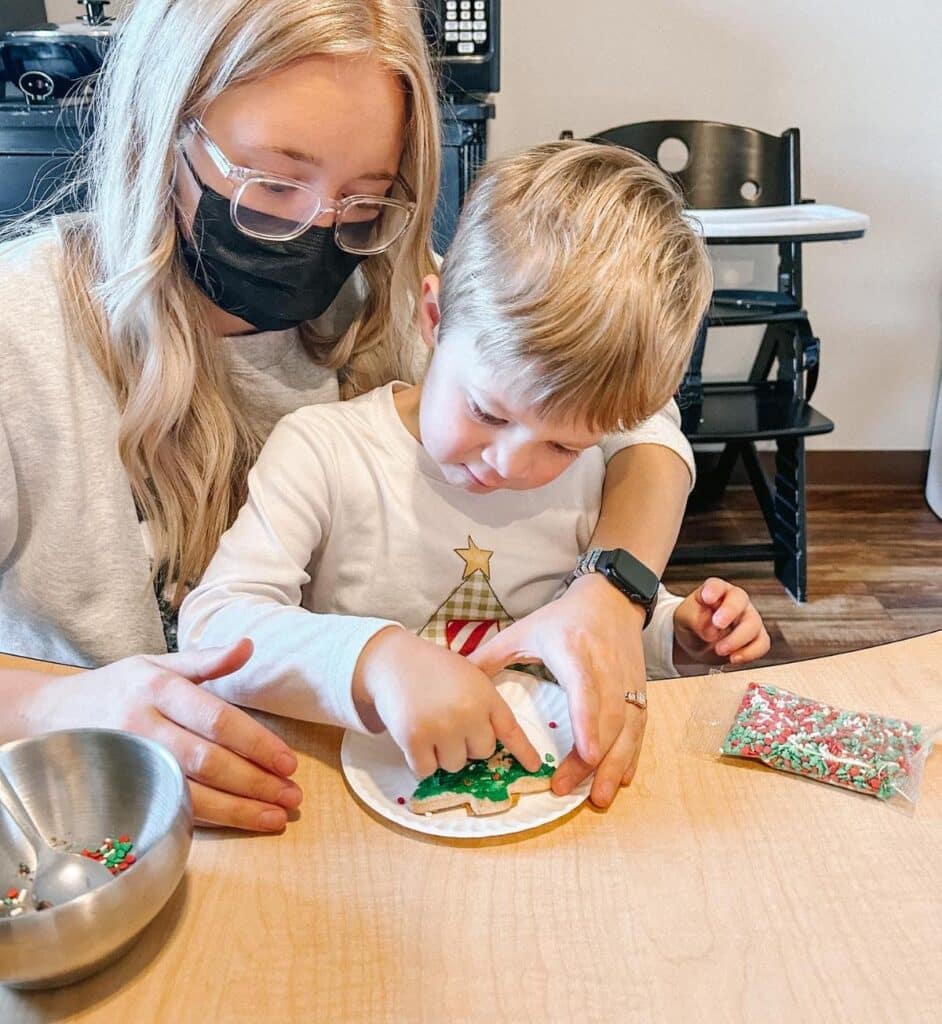
As a parent or caregiver, you may have heard of both physical therapy and occupational therapy, especially if your child is dealing with a health issue or developmental concern. While both forms of therapy are geared towards improving a child’s quality of life, their approach and focus areas can be quite different. Understanding these differences can help ensure your child gets the most appropriate care for their needs. Physical Therapy (PT) for Children Pediatric physical therapy primarily aims at improving a child’s physical abilities. It focuses on enhancing a child’s gross motor skills, strength, balance, and coordination, especially those necessary for mobility. For instance, a physical therapist might help a child with cerebral palsy learn to walk with assistive devices, or aid a child recovering from a sports injury to regain strength and flexibility. Pediatric physical therapists also play a significant role in early intervention, helping to mitigate developmental delays in infants and toddlers. Occupational Therapy (OT) for Children On the other hand, pediatric occupational therapy focuses on helping children achieve independence in all areas of their lives. It’s centered around improving fine motor skills, cognitive abilities, visual-perceptual skills, and sensory processing abilities that children need for daily activities or “occupations.” In this context, “occupations” refer to the everyday activities that occupy a child’s time, such as dressing, eating, playing, and school-related tasks. For example, an occupational therapist might help a child to improve their handwriting skills or guide a child with sensory processing disorder in managing overstimulation. There is often an overlap between PT and OT, and in many instances, a child may benefit from both services. For instance, a child with a physical disability may work with a physical therapist to improve overall body strength and mobility, while also seeing an occupational therapist to work on specific skills such as dressing or using utensils. Physical therapy and occupational therapy, though different in their focus, are both crucial to promoting healthy development and quality of life in children who need them. A comprehensive understanding of both therapies can help parents advocate for their children and ensure they receive the most appropriate and effective care. Remember, every child is unique, and what works best will depend on their individual needs and circumstances. A discussion with your child’s healthcare provider can provide further guidance on which therapy, or combination of therapies, would be most beneficial for your child.
Posture
Growing up, I vividly remember my mother frequently correcting my posture. The biggest challenge was sitting at the dinner table. My mom would sandwich her arms around me and shift my rounded shoulders and slumping posture back to sitting upright. It was quite alarming when I realized that I was slumping so far over in my chair that my chest about touched the table. Do you ever find yourself doing this to your kiddos or find yourself correcting your own posture? With virtual schooling and working from home continuing to take place, it is important to evaluate you and your child’s posture. There are many ways to change up our positions that can incorporate different muscle groups and continue to help develop strong core muscles that make sitting up in a chair easier. Here are some tips and tricks on different positions that can help with your child’s posture: Seated Posture: It is recommended that your child sit all the way back in their chair. Place a small, rolled-up towel or lumbar cushion behind their mid-back to protect the spine’s natural curve. Keep the knees bent at a right angle, keeping them the same height, or a bit higher, than the hips, and feet should be flat on the floor. Have a table that is too tall where your child’s feet cannot touch the floor? Grab a box or stool that can go under their feet to help maintain a right angle throughout the hips and knees, keeping the feet flat on the surface provided. Is your child looking down at their laptop to complete their Google meets and school work? Grab a box, stool or plastic bin to place the computer on that would raise the screen to eye level when they are seated in their chair. Tall Kneel: Tall kneel is a great alternative to sitting in the chair. Whether completing school assignments online, playing games with family and friends, drawing or coloring on vertical surfaces, or watching tv, tall kneel and/or half-kneel are two ways to incorporate core strengthening and balance, and continuing to work on your child’s posture. Prone: Prone positioning is great for upper-body and core strengthening. Incorporating prone positioning into your child’s daily activities such as when they are coloring, drawing, reading a book, watching a movie, playing with legos or playdoh, or other board games, this is an awesome way to work on their upper-body, core strength and posture. When your child is in the prone position, there are a few things to watch out for including: Holding their breath Moving in and out of the position Laying their head on their arms and/or the floor Pulling their knees up beside their hips Side Sitting: Side sitting is another way to change up your child’s posture. Side sitting is great for core strengthening and is easy to incorporate into the child’s daily activities when seated on the floor whether inside or outside. Enjoy playing games or going outside for a picnic? Side sitting is an awesome way to work on your child’s core strength, balance and posture. Dynamic Sitting: Have a physioball laying around the house? Adding a ball as an option for a chair is a great alternative. Sitting on a physioball addresses core strengthening and balance, and continues to work on your child’s posture. Similarly to sitting in a chair, we also want the child’s feet to be flat on the floor with 90 degree angles through the ankles, knees and hips during dynamic sitting. Posture to AVOID: W-Sitting W-sitting is common for kids to move into, however, this is a posture we want to avoid. W-sitting can lead to increased stress on the hip and knee joints, and can lead to the hip and leg muscles tightening which can lead to difficulties with overall strength, endurance, coordination and balance. When sitting in this position, it makes it more difficult for the child to rotate their bodies and shift their weight as well as decreases the need to engage their core muscles because they are getting a wider base of support with the “w.” It is recommended to encourage your child to move out of this position into other postures mentioned above or “criss-cross applesauce.” If you have any concerns regarding your child’s sitting posture contact your child’s therapist, and they will be glad to help give any tips and pointers to help increase your child’s postural control.
SUMMER PACKING LIST
Summer is here and in full swing, and so are all of the fun activities and travel plans! When traveling with kids, especially on long road trips or flying in an airplane, we often begin to pack all kinds of goodies to keep our little ones entertained. We have included a list below of snacks, toys, games, and activities that can provide a variety of sensory input, aid in regulation, and fun! Changes in routine and new places can be exciting, yet overwhelming for some kiddos; therefore, having a variety of items and activities can be helpful in keeping the kids entertained while also serving as regulation tools is vital when traveling. Check out our list below: Fidgets Coloring/activity books Gum Chewy, Crunchy, Sour snacks (granola bars, red and green apples, carrots, veggie straws, pretzel sticks, fruit leather, etc) Lemon or lime juice to add to water Drinks with straws Sparkling water Games – iSpy, card games, Spot It, the ABC game, the Animal Name game, Road Trip Scavenger Hunt Weighted blanket Noise canceling headphones Headphones that can play music Audiobooks Colorful doodle writing tablet Sticker books Weighted lap pad Playdoh Sound machine Sunglasses Bubbles Jump rope to use during rest stops Sensory bottle
What is Torticollis?
You may have heard of the term “torticollis,” also known as wryneck. Torticollis is the twisting of the neck that causes the head to rotate and tilt at an angle. The twisting of the neck occurs when the large muscle running on both sides of the neck, from the back of the ear to the collarbone, is too tight and/or shortened. In newborns, torticollis can happen due to the baby’s position in the womb or from consistent positioning following birth. The following are the most common symptoms of torticollis; however, each person may experience symptoms differently. Symptoms may include: Inability to turn the head (rotation) Spasm of the neck muscles The top of their head may be tilted to one side and their chin may be tilted to the other side. Difficulties visually tracking Difficulties holding the head in an upright position Preference among breast-fed and bottle-fed babies to eat on one side over the other or problems latching onto the breast or bottle. Physical therapy helps prevent permanent shortening, head and neck pain, and helps prevent developmental delays that could occur secondarily. Early physical therapy for torticollis is very helpful and effective. The physical therapists’ focus includes passive range of motion, active range of motion, stretching, muscle strengthening, and parent education for positioning, stretching and activities that they can incorporate into their daily lives in order to increase the child’s ability to turn and move their head and continue to make gains towards their developmental milestones. If you have any questions or concerns in regards to torticollis, please reach out to your doctor or your child’s physical therapist.
Orthotics
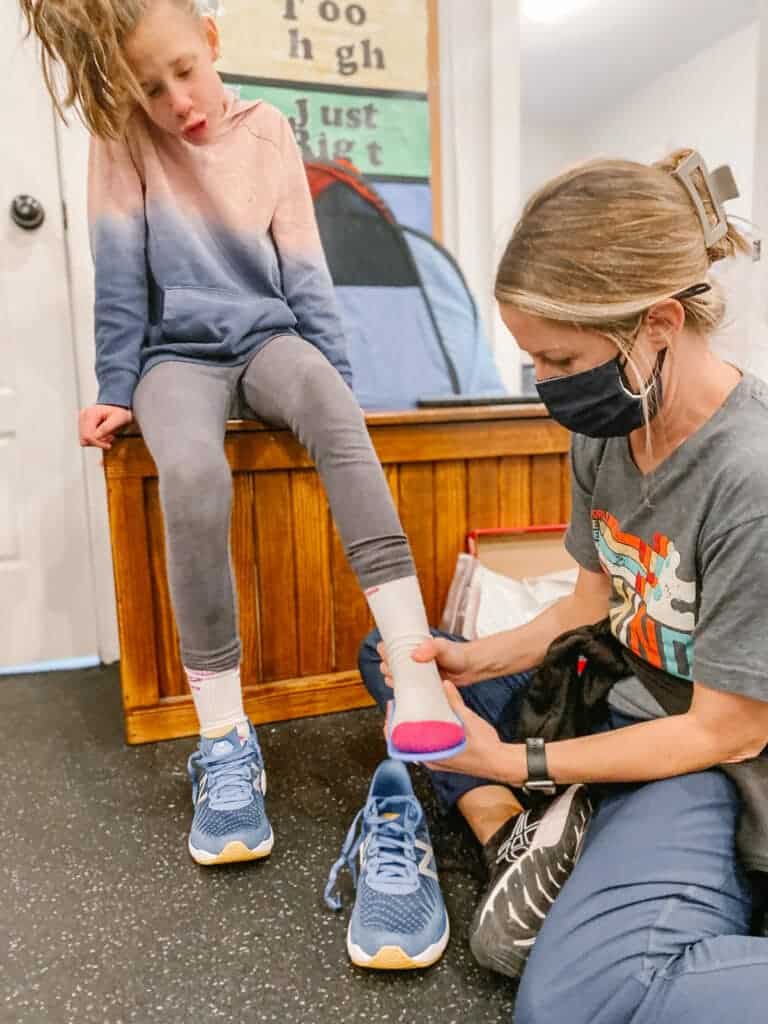
Karina Moore, PTA Orthotics are used for several different reasons and can be made several different ways. Pediatric orthotics can range from shoe inserts to knee high braces and more. According to Orthotics.pdf (pediatricapta.org) an orthosis is an external device with controlling forces to improve body alignment, improve function, immobilize the injured area, prevent or improve a deformity, protect a joint or limb, limit or reduce pain, and/or provide proprioceptive feedback. Orthoses are named for the part of the body they cover. Orthoses can be custom molded and custom fitted (custom fitted from prefabricated orthoses or off the shelf). There are many reasons why a child may benefit from orthotic intervention at all different ages, with and without a medical diagnosis. The use of orthotics can vary from child to child, however, the main goal is to provide stability while promoting functional ability. Orthotics or orthoses can be used to assist with pronation (rotation of the medial bones in the midtarsal region of the foot inward and downward so that in walking the foot tends to come down on its inner margin) flat feet, toe walking, weakness, poor balance, frequent tripping, leg length discrepancies, low tone, and structural issues. Orthotics are made to improve a child’s walking pattern to as normal for them as possible to facilitate age appropriate child development. Excessive pronation in the absence of high tone is usually easily corrected. A variety of “off the shelf” inserts are available, but may require customization. This type of insert is the one most commonly required. Sure Step is another commonly used orthotic. It’s not a fast fit product and must be measured. It offers wrap around support of the foot, assistance at the hind foot for position, and some assistance with ankle modulation. Open trim lines at the forefoot.”Surestep orthotics are custom-made to provide the extra support these amazing children need to run, jump and play. In fact, our core product, the patented Surestep SMO system, revolutionized orthotic management for children with pronation or low muscle tone (hypotonia) worldwide.” – Sure Step Physical therapists are trained in the function of orthoses and will frequently fit and measure orthoses. If the child is measured by the physical therapist, the orthoses are usually centrally fabricated and returned to the therapist for custom fitting and delivery. Following delivery of the orthosis, physical therapists provide education and functional training to the child and family. The physical therapists at No Limits are trained in serial casting, fitting, and measuring for orthoses. We work closely with the orthotists at Orthotics At Home to ensure a proper fit for the child’s best outcome. We also help educate the family on how to put on and take off along with a proper wearing schedule. If you are having concerns about the way your child walks, foot placement, or overall gross motor delays reach out to your pediatrician or physical therapist. We would be happy to take a look and help in any way we can. Orthotics.pdf (pediatricapta.org) Why does my child need orthotics? – ABC Pediatric Therapy Surestep–Dynamic Stabilizing System: www.surestep.net Cascade DAFO: www.cascadedafo.com