
The Right Step: Choosing Shoes for Early Walkers and Kids in Summer and Winter

Walking is one of the most significant milestones in a child’s life. The shoes they don early on can have lasting impacts on their posture, gait, and musculoskeletal health. As seasons evolve, so should the considerations parents make for their child’s footwear. From a physical therapy perspective, here’s a guide on choosing the right shoes for young children across seasons. For the Early Walkers: 1. Flexibility: Shoes should bend and twist in your hands. This malleability promotes the natural movement of a child’s foot. 2. Flat Soles: Heels or wedges can interfere with a child’s balance. A flat sole aids in stable weight distribution. 3. Breathability: In summer, shoes made of breathable material help prevent overheating and moisture buildup. 4. Snug but Not Tight: A shoe should fit well without constricting the foot. Room to wiggle toes is vital! 5. Wide Toe Box: This feature is crucial. A wider toe box allows toes to spread naturally, aiding balance and reducing the risk of developmental issues or deformities. 6. Ankle Support: Especially crucial for early walkers, shoes with proper ankle support provide stability, helping to prevent wobbles and potential injuries. Summer Selections: 1. Open vs. Closed: Sandals with a back strap are a secure choice. Closed shoes, if preferred, should be made of light, breathable material. 2. Grip is Essential: Non-slip soles are crucial, particularly near pools or damp areas. 3. Avoid Flip Flops: They offer minimal support or protection for young, active feet. Winter Wonders: 1. Insulation: Shoes should be breathable but also offer insulation against the cold. 2. High-Ankled Boots: These boots offer enhanced stability on slippery surfaces and protect against cold. The high ankle also provides added support. 3. Non-Skid Soles: With ice and snow in winter, a shoe with good grip is a must. 4. Room for Socks: Winter shoes should have some extra space for thicker socks without compressing the foot. In conclusion, the aesthetics of a shoe, while appealing, should always come secondary to its functional attributes. The right shoe not only shields the feet but also supports the holistic physical development of your child. When unsure, your pediatric physical therapist is a valuable resource to tap into.
Gross Motor Milestones: A Guide for Parents from a Pediatric Physical Therapist
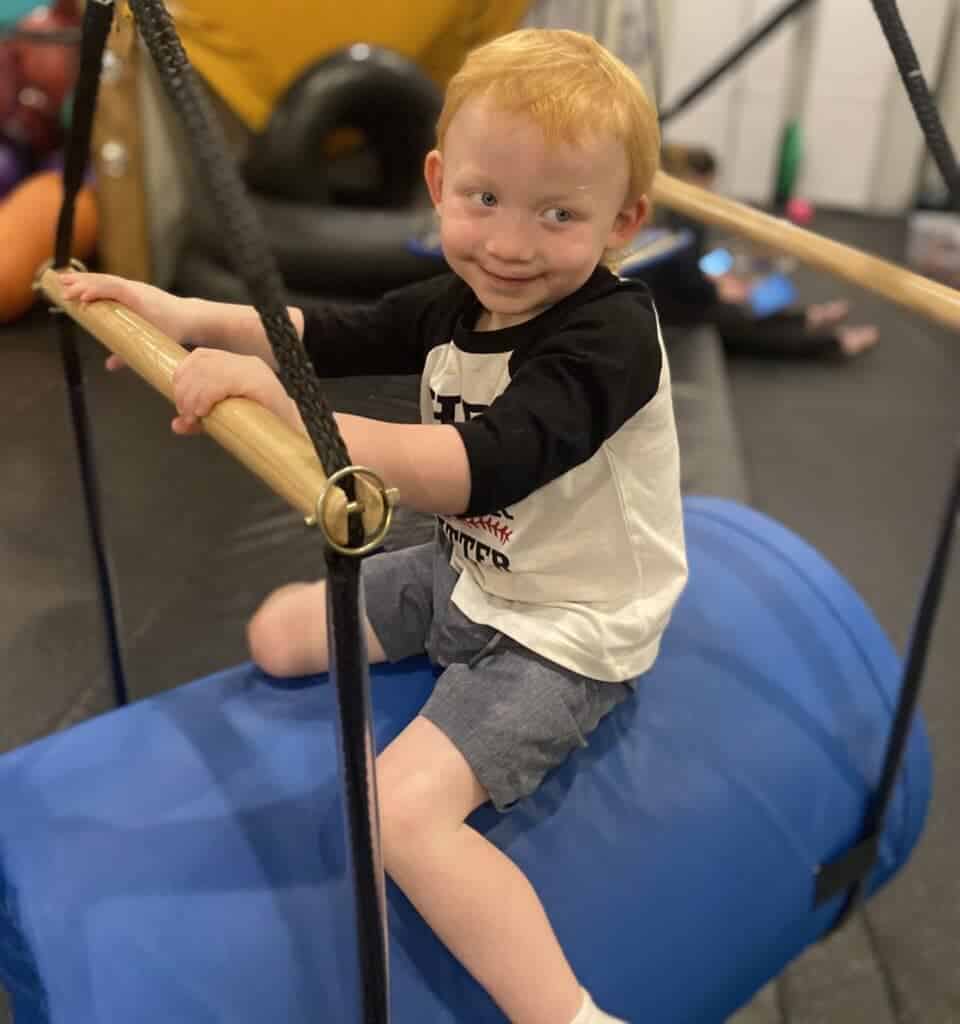
As a pediatric physical therapist, one of the most common queries I encounter is, “Is my child on track with their physical development?” Understanding gross motor milestones and knowing when it might be time to seek professional guidance is vital for every parent. Here’s a concise guide to help you navigate this essential aspect of your child’s growth. What are Gross Motor Milestones? Gross motor milestones are the significant stages of physical development in a child’s life, starting from infancy to their early school years. They encompass skills involving large muscle movements of the body—think crawling, walking, jumping, and running. Key Gross Motor Milestones: 1. Birth to 3 months: – Baby begins to lift the head during tummy time. – Gradual improvement in head control. 2. 4 to 6 months: – Rolling over (from tummy to back and vice versa). – Sitting with support and starting to sit independently. 3. 7 to 9 months: – Starts to crawl. – Pulls to stand with support. 4. 10 to 12 months: – Begins to stand without support. – May take first independent steps. 5. 1 to 2 years: – Walks independently and starts to run. – Begins to climb stairs with support. 6. 2 to 3 years: – Runs confidently and starts to jump. – Climbs stairs one at a time without holding on. 7. 3 to 5 years: – Begins hopping, swinging, and maybe even skipping. – Rides a tricycle and stands on one foot for a short time. When to Seek a Referral: While every child develops at their own unique pace, there are general timeframes in which most children acquire these skills. It’s essential to remember that occasional delays are typical. However, if you observe the following, it may be time to seek a referral: 1. Consistent Delays: If your child is regularly missing milestones or is significantly behind their peers. 2. Loss of Skills: Any regression, like a child who once walked but now doesn’t, warrants a check. 3. Lack of Coordination: If your child appears unusually clumsy for their age or struggles more than their peers with similar activities. 4. Uneven Muscle Use: For instance, if your child uses one side of their body more than the other. 5. Difficulty in Keeping Up: If they struggle to engage in age-appropriate activities or play due to physical constraints. Your child’s health and well-being are paramount. Being proactive and seeking guidance when unsure can make all the difference. Trust your instincts as a parent, but also remember to seek expert advice when needed. Pediatric physical therapists are here to assist, guide, and provide the necessary interventions to ensure your child’s optimal physical development.
Active Family Fun: Boosting Gross Motor Skills the Enjoyable Way!
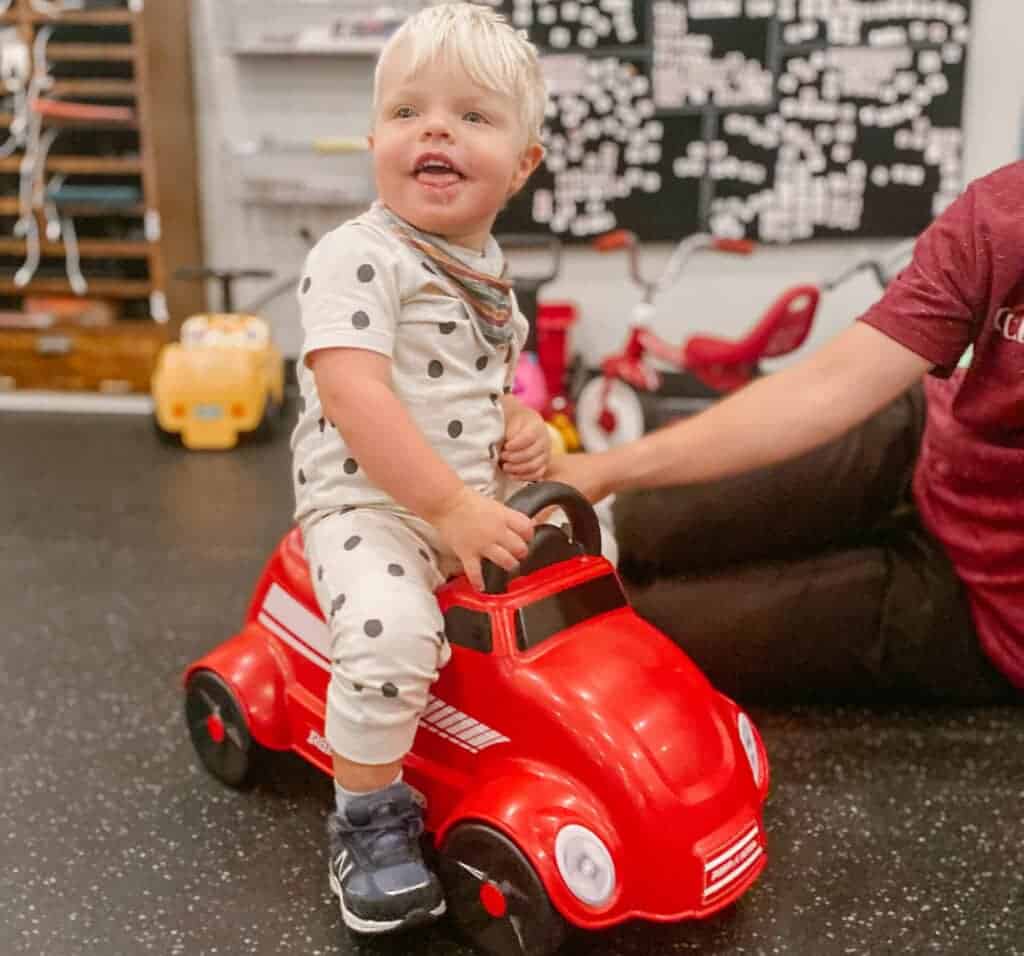
Engaging in family activities isn’t just about spending quality time together; it’s also a fantastic way to boost your child’s gross motor skills. These skills, involving large muscle movements, play a pivotal role in a child’s physical development. Here are some entertaining and simple ideas to get your family moving while having a blast! 1. Chalk Obstacle Course: Transform your driveway or sidewalk into an adventure-filled obstacle course using just chalk! – Draw zigzag lines, spirals, and circles for children to walk, run, or hop through. – Sketch out numbered lily pads or islands that they can leap between. – Outline large shapes for kids to fill with different movements, like spinning or star jumps. 2. “The Floor is Lava”: A classic game that never gets old and perfect for a rainy day indoors. – Scatter couch cushions, pillows, and blankets across the floor. These are your “safe” zones. – The objective is to move from one side of the room to the other without touching the floor. – It’s a great way for kids to utilize different muscles as they balance, jump, and plan their path. 3. Nature Walks with a Twist: A family walk is always refreshing, but adding a few fun challenges can make it even more exciting. – Organize a scavenger hunt where children need to find specific items, like pinecones or colorful leaves. – Challenge kids to mirror animals they see or talk about, like hopping like a frog or waddling like a duck. 4. Dance Party: Crank up the music and let loose! Dancing is not only fun but also an excellent way for kids (and adults) to develop coordination and rhythm. – Choose different music genres and move to the beat. – Freeze dance: When the music stops, everyone freezes until it starts again. 5. DIY Bowling: Use empty water bottles and a soft ball to create a bowling alley in your hallway. – Set up the bottles in a traditional triangle or in any fun pattern. – Take turns rolling the ball and trying to knock them down. 6. Build-a-Fort: While building a fort may seem like a quiet activity, the physical process involves lifting, pulling, and arranging, all of which are great for gross motor development. – Use chairs, tables, and blankets. – Once it’s built, kids can crawl in and out or incorporate it into their imaginative play. Active play is essential for a child’s physical and cognitive development. Plus, it’s a great way for families to bond. The key is to keep activities engaging and enjoyable, ensuring that children are eager to participate. Remember, it’s not about structured exercise but about moving, laughing, and learning together. So, gather your family, pick an activity, and let the fun begin!
The Benefits of Early Intervention in Pediatric Therapy
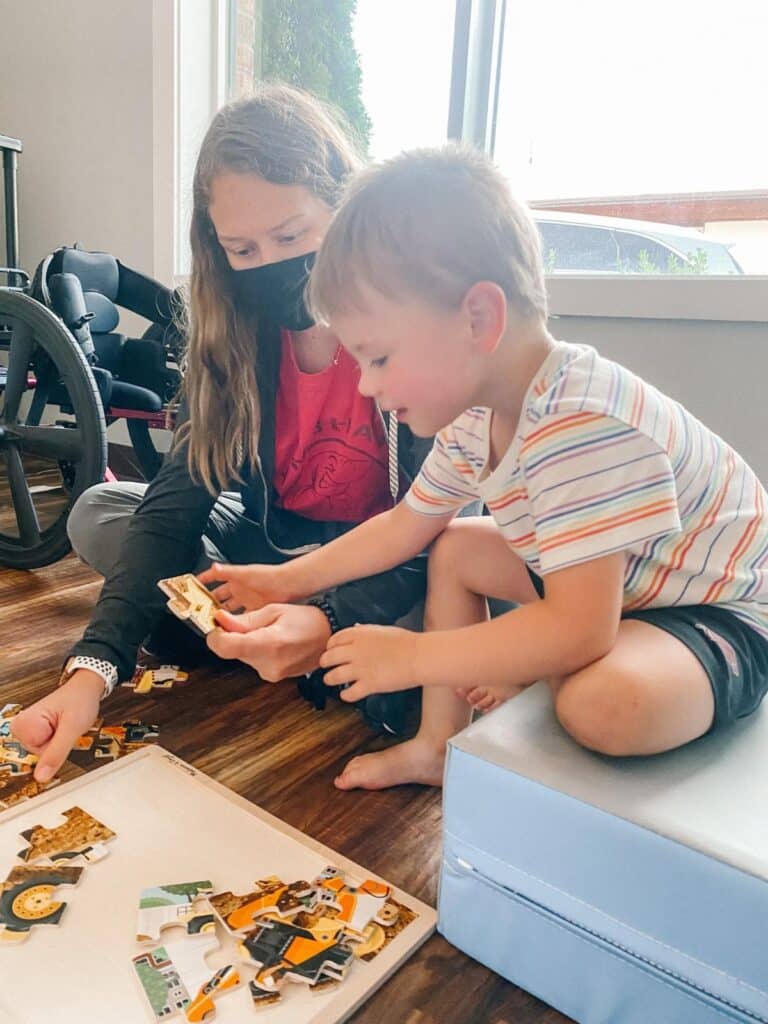
Early intervention in pediatric occupational, physical and speech therapy services is a proactive and essential approach to supporting children’s development and addressing potential challenges at an early age. There are numerous benefits of early intervention in pediatric therapy, which can have a very positive impact on a child’s overall growth and future success. Timely Identification of Developmental Delays and Challenges: Early intervention allows for the timely identification of developmental delays and challenges in children. By identifying these challenges early on, therapists and parents can work together to create targeted intervention plans tailored to the child’s specific needs. Optimal Brain Plasticity and Learning: During early childhood, the brain is incredibly malleable, exhibiting a high degree of neuroplasticity. This simply means the brain is pliable, and has the ability to change. Intervening during this crucial period maximizes the brain’s ability to adapt and learn, leading to more positive outcomes in various developmental areas. Improved Long-Term Outcomes: Research consistently shows that children who receive early intervention in pediatric therapy achieve better long-term outcomes compared to those who do not. Early support in OT, PT and Speech Therapy can lead to improved academic performance, social skills, and overall independence in daily living. Family Involvement and Empowerment: Early intervention is not just about the child; it involves the entire family. Therapists work closely with parents and caregivers, empowering them with knowledge, strategies, and resources to support their child’s development effectively. It is important that we are always collaborating with each individual and their family to best serve the client’s needs and provide the right support to their families. By providing support and resources, therapy helps reduce stress and anxiety for parents and caregivers, promoting a more supportive and nurturing environment for the child. Enhancing Social and Communication Skills: Early intervention can significantly impact a child’s social and communication skills. Therapists use various evidence-based approaches to foster language development, social interactions, and emotional regulation in young children. Some of these examples include AAC devices, PEC systems, and play opportunities with others including imitative, parallel and reciprocal play activities. Addressing Sensory Processing Issues: Sensory processing challenges can significantly impact a child’s daily life. Early intervention helps identify and address these issues, enabling the child to better process sensory information and be able to attend, focus and engage in various activities with confidence across all of their environments. Building Self-Confidence and Resilience: Children who receive early intervention support often develop higher levels of self-confidence and resilience. As they see their progress, they gain a sense of accomplishment and belief in their abilities, which positively impacts their overall self-esteem. Early intervention in pediatric therapy is a powerful tool that can positively influence a child’s development and future. By identifying challenges early, involving families, and providing targeted support, we can help set children on a path to success and help them reach their full potential. Our occupational, physical and speech therapists play a crucial role in shaping the lives of young children, enabling them to reach and achieve their individual goals, and supporting the families on their journey to continued growth and success.