
Child’s Fifth Year
Developmental Milestones by Age 5
At age five, your child is entering a stage of growth that blends imagination, independence and early academic learning. Many children are preparing for kindergarten or adjusting to structured environments like preschool. During this year, your child may begin asking more thoughtful questions, helping with everyday routines, expressing their thoughts more clearly and taking on basic self-care tasks with growing confidence. While each child grows at a different pace, the following milestones reflect what is typically seen during this stage.
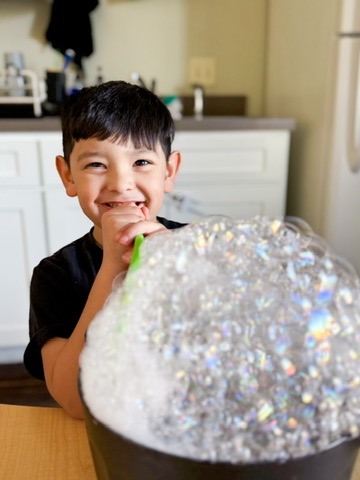
Around 5 Years Old
Five-year-olds are busy learning how the world works. They begin thinking more logically, moving with better control and building stronger friendships. They also develop the ability to complete tasks from start to finish and take pride in doing things independently.
Language and Communication
- Speaks clearly most of the time, even to unfamiliar adults
- Uses complete sentences of five or more words and connects ideas using words like “and” or “because”
- Retells familiar stories with a beginning, middle and end
- Asks and answers “why” and “how” questions to explore ideas
- Describes objects and experiences using details, such as “The blue ball is soft and bouncy.”
- Recognizes and names some letters and sounds, especially those in their name
- Engages in pretend dialogue, often creating characters and conversations
- Follows a sequence of three directions, such as “go to your room, get your hat and bring it here”
Cognitive
- Counts to 10 or higher and may point to objects while counting
- Understands the concept of opposites like hot and cold or big and small
- Completes puzzles with 10 or more pieces and focuses longer on tasks
- Begins to understand the concept of time and uses words like “today,” “tomorrow” or “later”
- Recognizes their written name and may attempt to write it
- Matches letters to sounds and may begin copying simple words
- Follows basic rules in games or group settings and remembers simple routines
Movement
- Runs, climbs and jumps with good coordination and confidence
- Walks forward and backward along a narrow path without falling
- Balances on one foot for 10 seconds or longer
- Skips using alternating feet or gallops with rhythm
- Throws, catches and kicks a ball with improved aim and control
- Uses scissors to cut along curved lines or around shapes
- Draws a person with six or more body parts, including details like fingers or hair
- Prints some letters and numbers or copies familiar words with guidance
Social and Emotional
- Plays cooperatively and resolves small conflicts with words
- Understands the feelings of others and responds with kindness or concern
- Expresses a wider range of emotions and talks about how they feel
- Adapts to changes in routine and understands simple schedules
- Takes responsibility for small tasks like putting toys away or packing a bag
- Shows pride in completed tasks and may ask for praise or recognition
- Makes new friends and talks about what they like or don’t like about certain playmates
- Participates in group activities such as team games, classes or performances
Feeding and Self-Care
- Prepares simple snacks like sandwiches, cereal or fruit cups
- Uses utensils and napkins consistently without reminders
- Opens packaging, food containers and water bottles independently
- Communicates hunger, fullness or discomfort with clear language
- Brushes teeth, washes face and dresses with minimal or no assistance
- Packs belongings, gathers needed items and follows basic hygiene routines
- Uses the bathroom independently, including managing clothing and wiping
- Participates in setting the table, sorting laundry or other small household tasks
Supporting Your Child’s Development at Home
Try these simple ideas and routines to create opportunities for your child to grow and learn at home every day:
- Have regular conversations at meals or before bed, allowing your child to take the lead in storytelling or asking questions
- Read together daily and let your child turn pages, point to words and talk about the pictures
- Play games that involve taking turns, following rules and remembering steps
- Encourage your child to help with real-life tasks like sorting groceries, watering plants or folding towels
- Use songs, rhymes and simple word games to build awareness of sounds and language patterns
- Provide art materials like crayons, glue sticks and safety scissors to encourage creativity and fine motor (the small muscles in the hand) control
- Try obstacle courses that involve balancing, skipping or jumping to improve coordination
- Use everyday opportunities to count objects, measure ingredients or name shapes and letters
- Offer choices during routines to build confidence, such as choosing clothes, snacks or books
Get Your Questions Answered With a Free Consultation
If you’re not sure your child is hitting the right milestones, No Limits Pediatric Therapies is here for you. We believe in every child’s potential and in supporting families with compassion and excellence. Call (479) 250-9838 or fill out the contact form to schedule your consultation. We’re ready to help you and your child move forward through every stage of development.