
Picky Eaters? Family Strategies for More Peaceful Meals
If your child is a picky eater, it can be tough on your whole family. Not only do parents worry that their child isn’t getting enough nutrients for healthy growth, but many picky eaters get anxious and even throw tantrums at mealtimes to avoid foods they don’t like. At No Limits Pediatric Therapies in Bentonville, AR, our mission is to help children reach their fullest potential through play-based therapy solutions. Today, I want to share some strategies to make mealtimes more peaceful for families dealing with picky eaters. Simply Forcing Kids to Eat What Is Offered Is Not Effective Many children who are picky eaters struggle with an underlying condition that can make it difficult for them to tolerate the textures, tastes, or smells of different foods. These conditions can make mealtimes stressful, and forcing children to eat what’s on their plate can lead to meltdowns and increased anxiety around food. Understanding the underlying issues and how to help children overcome them can make mealtimes calmer and more effective for families. What Is Avoidant/Restrictive Food Intake Disorder (ARFID)? Avoidant/Restrictive Food Intake Disorder (ARFID) is a condition where children have a lack of interest in eating, sensory sensitivities, or fear of eating due to frequent choking or vomiting on their food. It’s a condition that often accompanies autism, as children with autism can struggle a lot with sensory sensitivity. Common signs of ARFID include: A noticeable lack of appetite Avoiding foods with certain textures or colors Significant weight loss or nutritional deficiency Constipation, stomach pain, or cramps Excessive tiredness Muscle weakness Try the “One Safe Food” Strategy One effective strategy for managing ARFID is to include at least one “safe” food in every meal. A safe food is something your child reliably eats without issue. By including this option, children can feel a sense of success and reduce their anxiety about trying new foods. This is because they may not be able to eat much of the new foods you are introducing, but they will be able to fall back to their safe food if it’s available on their plate. This positive reinforcement can gradually encourage them to be more open to trying other foods on their plate. Additionally, giving them their safe food will ensure they do get some nutrients, which is important for their overall health and wellbeing. Limit Quantities of Challenging Foods To avoid overwhelming your child, limit the quantities of challenging foods on their plate. A large portion of foods they dislike or are reluctant to try can be overwhelming and may cause them to shut down. It can make them feel like the obstacle is too difficult to overcome and they’ll never be able to do it, so what’s the point in trying? Instead, keep challenging foods in very small portions and separate them from your child’s safe food. This approach helps children feel more comfortable and less pressured during mealtimes, which can make it easier for them to consider trying new foods. Reach Out to No Limits for an Evaluation If mealtimes are a constant struggle in your home, our pediatric therapists can help. Give us a call at (479) 250-9838 for a free 15-minute developmental consultation. We’ll help determine if your child might benefit from pediatric therapy and work with you to make mealtimes a more peaceful and enjoyable experience for your family. About Terrica Terrica Weatherford, MSOT, founded No Limits Pediatric Therapies in 2016. She earned her Master of Science in Occupational Therapy from the Medical University of South Carolina in 2012. For over 13 years, Terrica has been committed to helping neurodiverse children (and those who need extra support) reach their full potential. She founded her practice to ensure she could provide exceptional care for children and their families.
YES! You can play with your food!
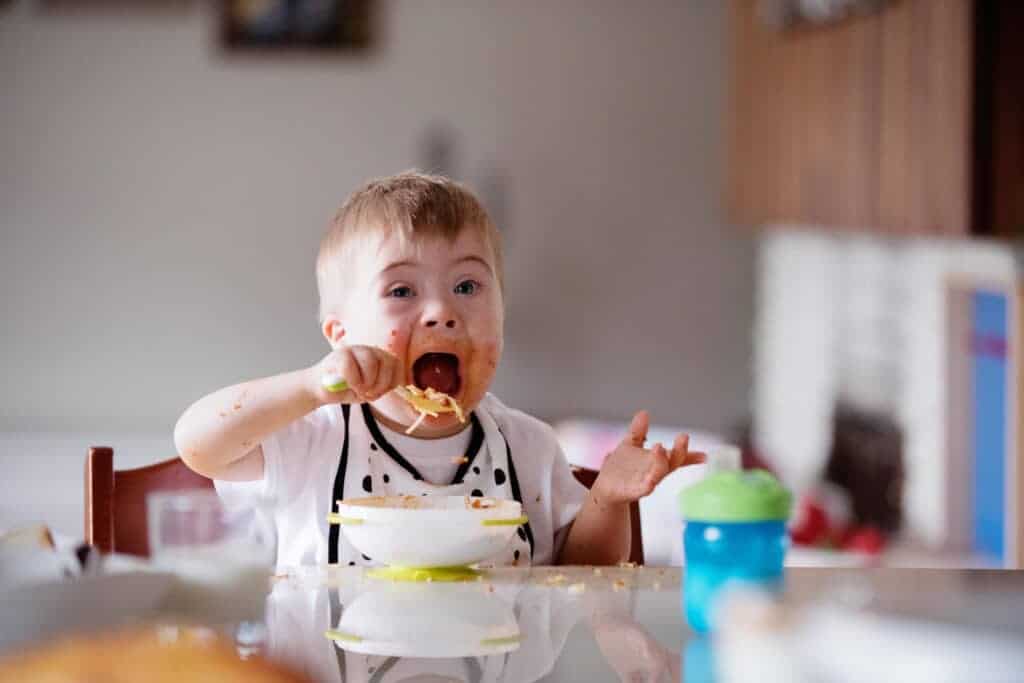
As a child, my parents used to tell me “Don’t play with your food!”…but times have changed! Playing with food is a good thing and allows your child to explore and learn about foods without any pressure to eat the foods presented. Food play allows your child to touch, see, hear, feel and possibly even taste a variety of foods. Playing with food allows them to enter into a sensory experience that can help with sensory sensitivities, picky eating, language development, problem solving, social skills, and regulation skills. Is the food gooey, chunky, slimy, sticky, rough, or smooth? What does the food smell like? What shapes, sizes and colors do you see? Does it make noise when you squish it, play with it, break it, crumble it? Children learn through play! Not to mention, picking up and manipulating food can help promote fine motor skills too. How cool is it that there are so many benefits to playing with food? Moreover, playing with food can make feeding a more fun and positive experience for children who get anxious and stressed when trying new foods. Exploring foods can be incorporated into meal times, but can also be a fun activity during free time or as a creative outlet. Below is a list of food play ideas that kids can enjoy. Over time and with continued exposure through play, they will get to learn all about different foods, become more comfortable with foods, and move towards eating the foods. Food play ideas: Finger paint with yogurt, salsa, hummus, applesauce or other sauces Use paint brushes to paint with pudding or purees Touch and squish wet foods through Ziploc bags Feed their teddy bear or doll during a picnic with real foods Feed any toys with a mouth Make fruit salad/fruit kabobs Create a Mr. Potato Head with real foods Work on counting: Count Cheerios, pieces of fruit, crackers… Create funny faces with foods Stack crackers, cookies, cubes of cheese, and see who can make the tallest tower Match different shaped crackers/foods into categories (e.g., shape, color, size) Build a house, car or other ideas out of crackers, sticks, cheese cubes, etc and peanut butter as the glue Drive cars and diggers through cooked pasta/rice, canned fruit, or yogurt, salsa, or other sauces Ask your child to help prepare the foods when cooking or baking Serve food to others String cheerios or fruit loops and make food jewelry Stir/pour/shake/mix foods and sing songs Make a noise with a food to draw attention to it (e.g., crunch, splat, pop, splash) Make mustaches with foods (e.g., peppers) or glasses (e.g., cucumbers) Flick and Roll foods across the table to play table finger-hockey or soccer with foods Write names/letters in purees or sauces Make letters/numbers from sticks of foods/cooked noodles Remember it’s all about having fun and exploring foods; try not to stress if your child is not eating the food. Add in some music, sunshine or fresh air and enjoy this time playing together with your child!