
Child’s Third Year
Developmental Milestones by Age 3
Between ages two and three, children experience major growth in language, physical coordination, problem-solving and emotional awareness. They begin forming clearer sentences, understanding routines and expressing themselves with more intention. While development varies from child to child, the milestones below can help you know what to look for as you watch your child’s progress.
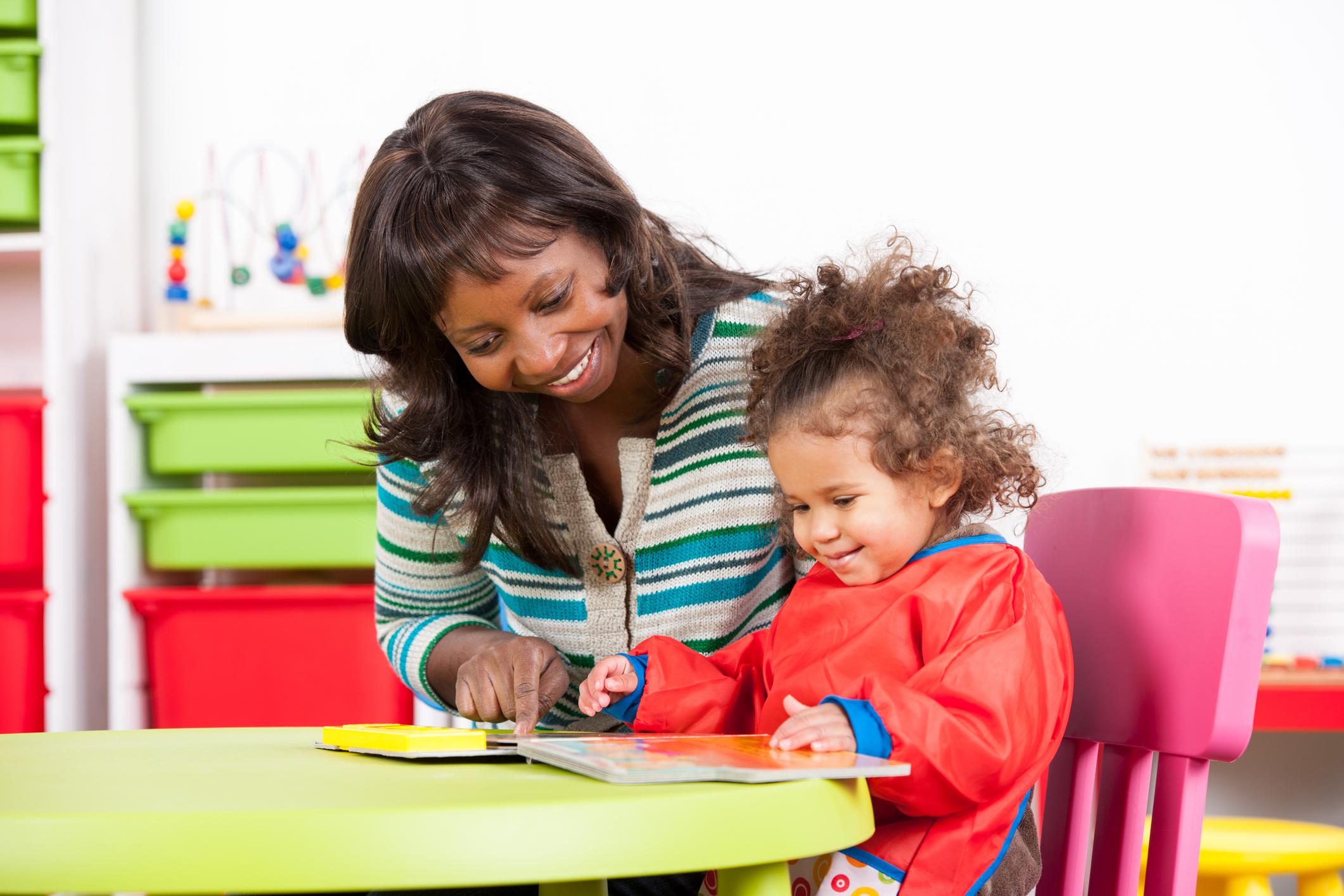
At 2.5 Years
Around two and a half, your child may surprise you with how much they understand and how clearly they begin expressing themselves. You’ll likely see them asking questions, mimicking your routines and becoming more confident on their feet.
Language and Communication
- Uses two- to four-word phrases like “go outside now” or “want snack please”
- Names everyday items and familiar people when prompted
- Follows simple two-step instructions such as “Get your cup and put it on the table”
- Begins using basic question words like “what” and “where”
- Names things in a book when you point and ask ‘What is this?’”
Cognitive
- Sorts toys, blocks or snacks by color, shape or size
- Matches pictures in books or games and may group them by category
- Imitates daily routines with increasing accuracy, such as wiping spills or pretending to cook
- Completes puzzles with up to four pieces and can rotate shapes to make them fit
- Begins noticing patterns or routines and reminds caregivers of what comes next
Movement
- Runs smoothly and changes direction with control
- Kicks and throws balls forward using arms and legs in coordination
- Begins jumping in place and may attempt to jump over low objects
- Uses hands more purposefully for climbing, scooping or building
Social and Emotional
- Watches other children and tries to copy or join in their play
- Shares toys or books to gain attention or start interaction
- Shows affection with hugs, kisses or by bringing someone a favorite toy
- Starts labeling their own emotions by saying “happy,” “mad” or “sad”
- Asks for help or reassurance when unsure or frustrated
Feeding
- Feeds self with a spoon or fork with minimal spilling
- Drinks from an open cup without dribbling much
- Bites and chews using molars and manages most textures without hesitation
- Begins helping prepare snacks by pouring, peeling or mixing with support
At 3 Years Old
By age three, many children begin stringing together thoughts, following longer instructions and developing deeper play routines. You’ll likely see more questions, better balance and stronger preferences during this time.
Language and Communication
- Speaks in clear three- to four-word sentences like “I want blue cup” or “Daddy read book”
- Uses pronouns such as “I,” “me,” “you” and “mine” accurately
- Follows two- or three-step directions during play or routines
- Identifies objects by name and describes simple uses (“we sit on the chair”)
- Sings parts of familiar songs and repeats short phrases heard often
Cognitive
- Understands sizes and quantitative words like “more,” “big,” “small” or “same”
- Counts up to three or four objects aloud, even if not always in order
- Matches and sequences basic images or objects
- Creates short pretend stories with toys, such as making animals talk or dolls eat
- Begins to notice when things are missing or out of place
Movement
- Pedals a tricycle or ride-on toy on flat surfaces
- Walks up and down stairs with alternating feet while holding on
- Catches a large ball using arms and body and may try to bounce it
- Jumps off low surfaces with both feet, landing upright
- Begins balancing briefly on one foot with support
Social and Emotional
- Mimics adult behaviors like sweeping, working or talking on the phone
- Shows concern when others are upset and may offer comfort or solutions
- Tries to take turns and play cooperatively, especially with adult help
- Recognizes and names more feelings in themselves and others
- Expresses pride in their accomplishments and may ask for praise
Feeding
- Uses utensils confidently and serves themselves with help
- Drinks from a regular cup without tipping it too far or spilling
- Helps with food prep by scooping, spreading or arranging items on a plate
- Communicates food preferences clearly and may ask for favorites by name
Supporting Your Child’s Development at Home
Help build your child’s skills across all areas of development with these easy activities:
- Narrate your child’s play and actions throughout the day to build vocabulary—for example, say “You’re stacking blocks!” or “You’re putting on your shoes.”
Play matching and sorting games using household objects, toy animals or utensils - Offer puzzles, building blocks and cause-effect toys that encourage problem-solving
- Encourage pretend play with dress-up clothes, toy food or stuffed animals
- Promote large motor play through dancing, simple obstacle courses or games like Simon Says
- Involve your child in daily routines like pouring drinks, setting the table or wiping surfaces
- Take time to read and ask questions about the story or pictures to encourage engagement
Let’s Talk! Schedule a Free Consultation
If you’re wondering whether your three-year-old is keeping pace with expected milestones, let’s talk. At No Limits Pediatric Therapies, we provide more than expert care—we create a safe and welcoming space for families to get guidance and treatment without pressure. Call (479) 250-9838 or fill out the contact form and schedule a free developmental consultation.