
Child’s Second Year
Developmental Milestones by Age 2
Between your child’s first and second birthdays, you’ll likely see a surge in independence, mobility and communication. Whether your kiddo is running through the house, pointing out familiar objects or stringing together simple phrases, this stage is full of personality. Every child develops at their own pace, but the milestones below can help you track what’s typical and know when to ask for guidance from a pediatrician or therapist.
At 15 Months
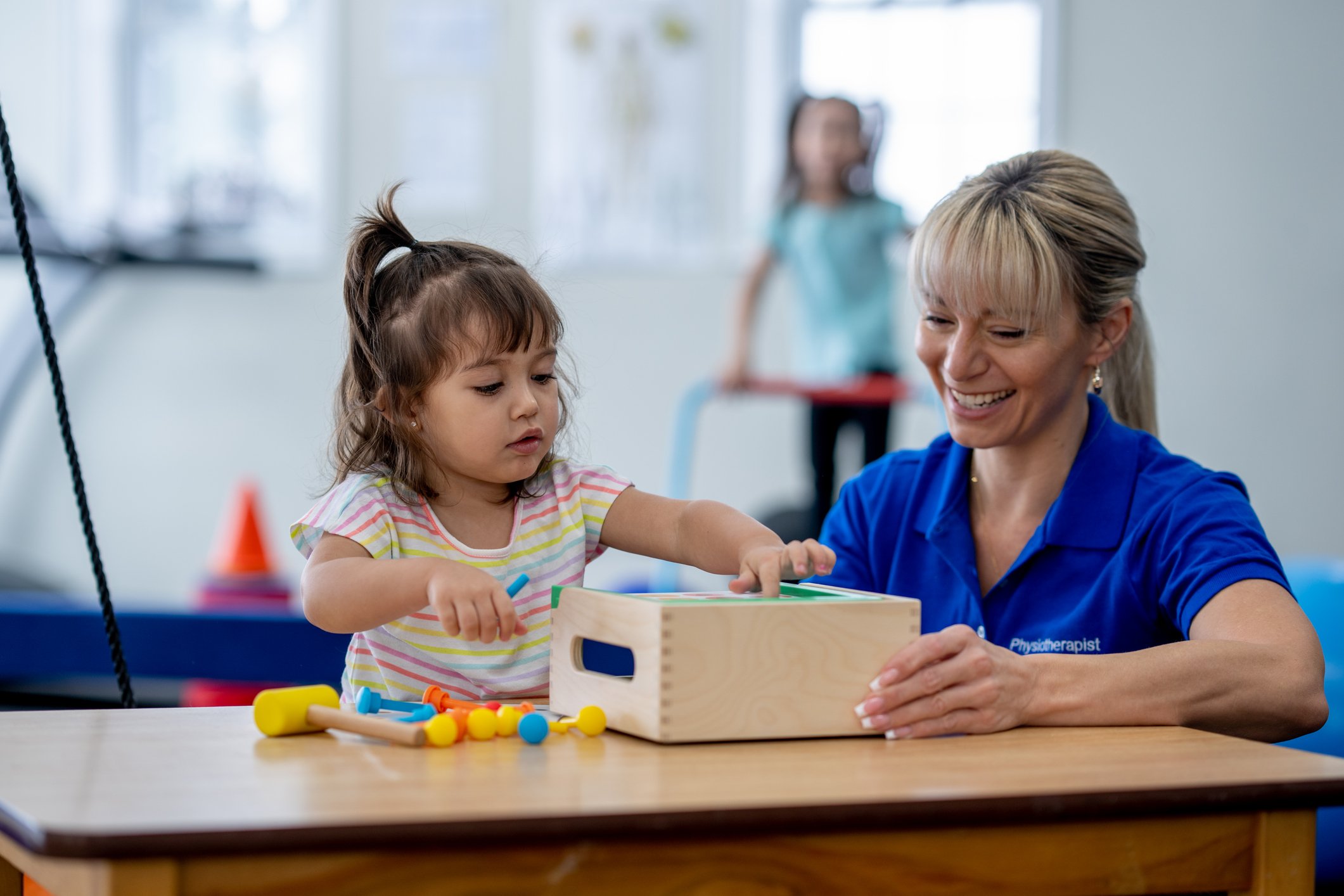
At 15 months, toddlers are eager to explore and test out their growing independence. You may see new gestures, first words and an increase in curiosity about daily routines.
Language and Communication
- Uses gestures like pointing or lifting arms to ask for something
- Understands simple one-step directions like “give me the ball” or “come here”
- Says one or two recognizable words beyond “mama” and “dada”
- Imitates familiar sounds, such as animal noises or simple phrases like “uh-oh”
Cognitive
- Stacks one or two blocks, showing early problem-solving
- Pretends to do familiar tasks like talking on the phone or brushing hair
- Tries to use everyday objects correctly, such as pretending to eat with a spoon
Movement
- Walks independently or takes several steps with minimal support
- Climbs onto low furniture like a couch or step with assistance
- Uses hands and arms to help steady while bending or reaching
Social and Emotional
- Brings toys or books to caregivers to share or show interest
- Watches other children and may mimic their actions
- Shows affection by hugging a caregiver or cuddling a favorite toy
- Displays a mix of independence and clinginess depending on the situation
Feeding
- Drinks from a straw or sippy cup with some guidance
- May attempt to use a spoon, or mimic using one when others do
- Handles small pieces of soft food and starts chewing with more control
At 18 Months
By 18 months, your toddler is likely on the move and using more words and actions to communicate. You may notice increased pretend play, stronger opinions and better balance.
Language and Communication
- Follows simple directions and gestures, like “give it to me” or “come sit down”
- Says at least three clear words besides family names
- Points to objects in pictures in books when prompted
- Understands everyday words such as “milk” or “shoe
Cognitive
- Explores simple cause-and-effect, like pushing buttons or flipping switches
- Pretends to feed a doll or stir a pot, copying daily routines
- Begins trying to match similar shapes or colors during play
Movement
- Walks steadily without falling often
- Climbs safely onto and down from chairs or beds
- Begins to run, though may still fall when stopping quickly
- Holds a crayon or marker and scribbles intentionally
Social and Emotional
- Brings toys to a caregiver to initiate shared play
- Moves away from you during play, but looks back to see that you are still nearby
- Cooperates during routines like getting dressed or brushing teeth
- Sits for short stories or rhymes and turns pages with help
Feeding
- Uses fingers or a child-sized spoon to self-feed with some spills
- Drinks from an open cup with supervision
- Chews more efficiently and can manage a variety of textures
At 2 Years Old
By their second birthday, many children are putting short sentences together, running confidently and showing more emotional awareness. This is a big year for pretend play and self-expression.
Language and Communication
- Uses two- to three-word phrases like “want more” or “go outside”
- Follows two related directions, such as “get your shoes and bring them here”
- Points to body parts when asked, like nose or feet
- Asks for things using words or gestures and responds to yes/no questions with nods or shakes
Cognitive
- Matches objects based on shape, size or color
- Counts or attempts to count small sets of items (e.g., “one, two”)
- Uses toys in imaginative ways, such as pretending to drive a car or rock a baby doll
- Begins to understand time-related words like “later” or “soon”
Movement
- Runs more confidently and stops without falling
- Walks up stairs using a handrail or with help, placing both feet on each step
- Kicks a ball forward and throws overhand with direction
- Begins to jump with both feet leaving the ground
Social and Emotional
- Plays near other children and may attempt turn-taking
- Responds to caregivers’ emotions and shows concern for others
- Demonstrates a desire to do things independently
- Expresses frustration or excitement through words or gestures
Feeding
- Uses utensils with growing accuracy
- Drinks from an open cup with less spilling
- Helps with mealtime routines like wiping the table or putting food on a plate
Supporting Your Child’s Development at Home
Here are a few ways to encourage your child’s progress at home during this stage.
- Talk through your daily routines, naming actions and objects as you go
- Provide safe toys with buttons, levers or flaps to explore cause-and-effect
- Read short books and let your toddler point to pictures or finish familiar phrases
- Encourage pretend play with dolls, animal figures or toy dishes
- Practice physical play like climbing, kicking a ball or dancing to music
- Offer safe, age-appropriate utensils and involve your child in setting the table or serving food
Get a Free, 15-minute Developmental Consultation
Not sure if your toddler is meeting certain milestones? At No Limits Pediatric Therapies, we help families understand typical development and what signs may indicate a need for extra support from therapy. We’re here to help. Call (479) 250-9838 or fill out the contact form to connect with a team that listens and is ready to guide your child to a bright future.